

A weekly collection of links to interesting things curated by Colin Wright.
The Metamorphosis of the Mad Scientist
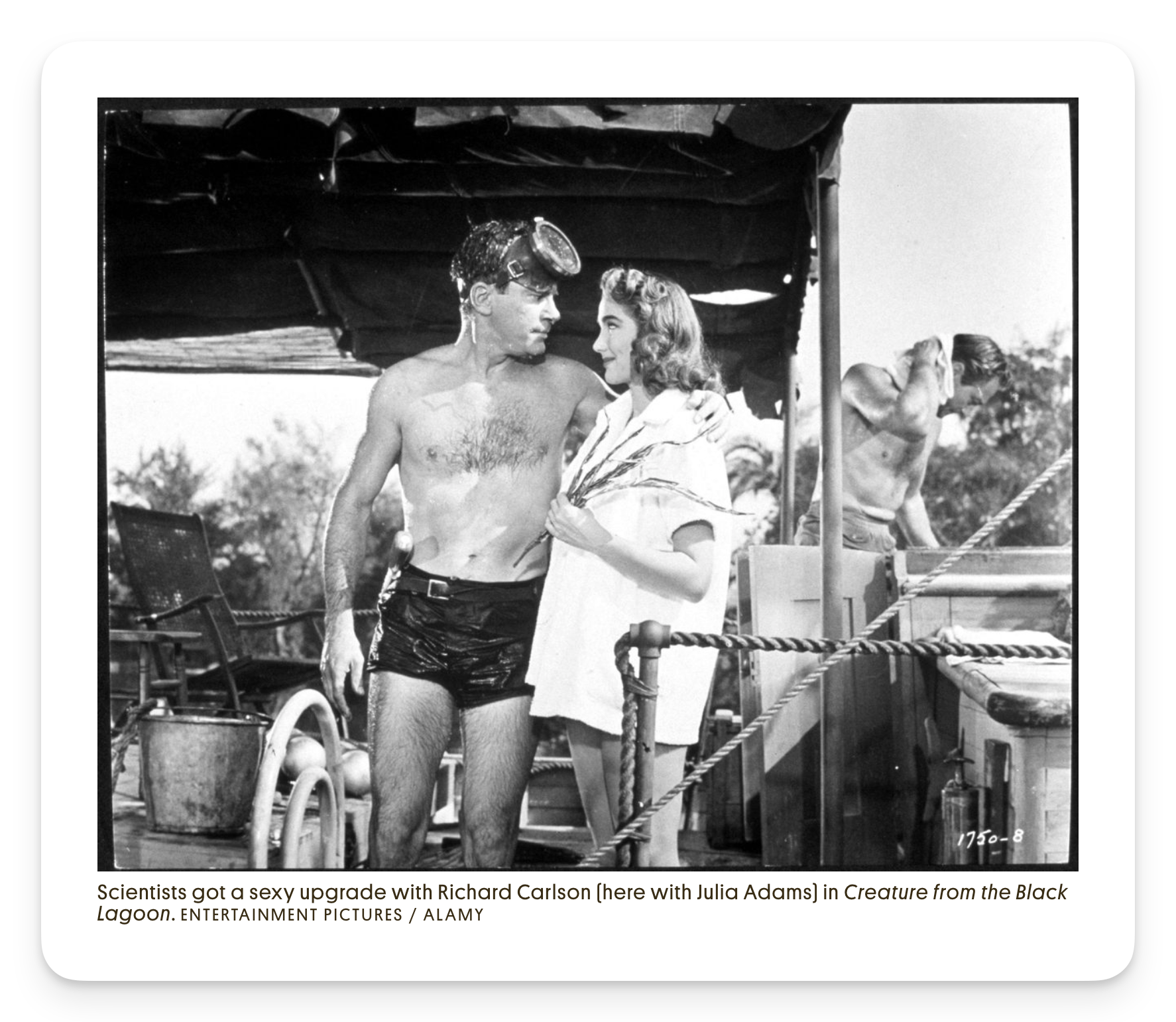
With all due respect to WWII dramas and Emma Stone satires, no genre has done more to unleash the mad scientist upon the world than the horror film. They are one of scary movies’ most famous characters, just behind the Final Girl and doomed quarterbacks. The two most iconic images of the silent era come from Metropolis (1927) and The Cabinet of Dr. Caligari (1920), both chilling stories about the havoc of evil doctors. A century later, the mad scientist continues to haunt our movies, even if the inventions themselves do not. “Today, many of the things that would once have seemed like horror-story fodder are scientific reality,” noted The Atlantic in 2014. “But still, as the boundaries of human knowledge are continually pushed, the trope of the mad scientist endures.”
The Big Picture 2025
Now in its 12th year, the California Academy of Sciences’ BigPicture Photography Competition celebrates some of the world’s best photographers and the year’s most striking images. Judged by an esteemed panel of nature and conservation photography experts, and chaired by wildlife photographer Suzi Eszterhas, the competition’s winning images and finalists highlight Earth’s biodiversity and illustrate the many threats our planet faces. Each photo, in its own way, inspires viewers to value and protect the remarkable diversity of life on Earth. Below, we present the winners and some of our personal favorites from this year’s competition.

How a Dungeons & Dragons Joke Led to a Best-Selling Romance Novel
A merchant’s sheltered but cheerful daughter, fighting to control a fire spirit that lives inside her, and a grieving half-orc warrior, who, like many an orc of his kind, has green skin and tusks, fall madly in love while he escorts her to marry a prince in a far-off kingdom. During their journey, the human and the half-orc have a lot of raunchy sex.
It sounds like a fever dream, but it’s actually the plot of “Tusk Love,” a romance novel that landed on the New York Times best-seller list last month. How the book got there is as twisty as the novel’s central love affair — and the latest, and perhaps most unusual, example of how internet-driven fandom can intersect with publishing to create hit books.

White Collar PEDs
For years now, I’ve had an on-again, off-again relationship with the world of what my editor dubbed “White Collar PEDs,” or productivity-enhancing drugs. Though I’d never heard the phrase before, I knew immediately what he was talking about—the seemingly infinite profusion of supplements and “nootropics,” prescription “study drugs,” and illegal or semi-legal drugs that have become popular among young professionals seeking not to get high, but to optimize their brains and bodies for work.
The Global Plastics Crisis Explained in 6 Charts
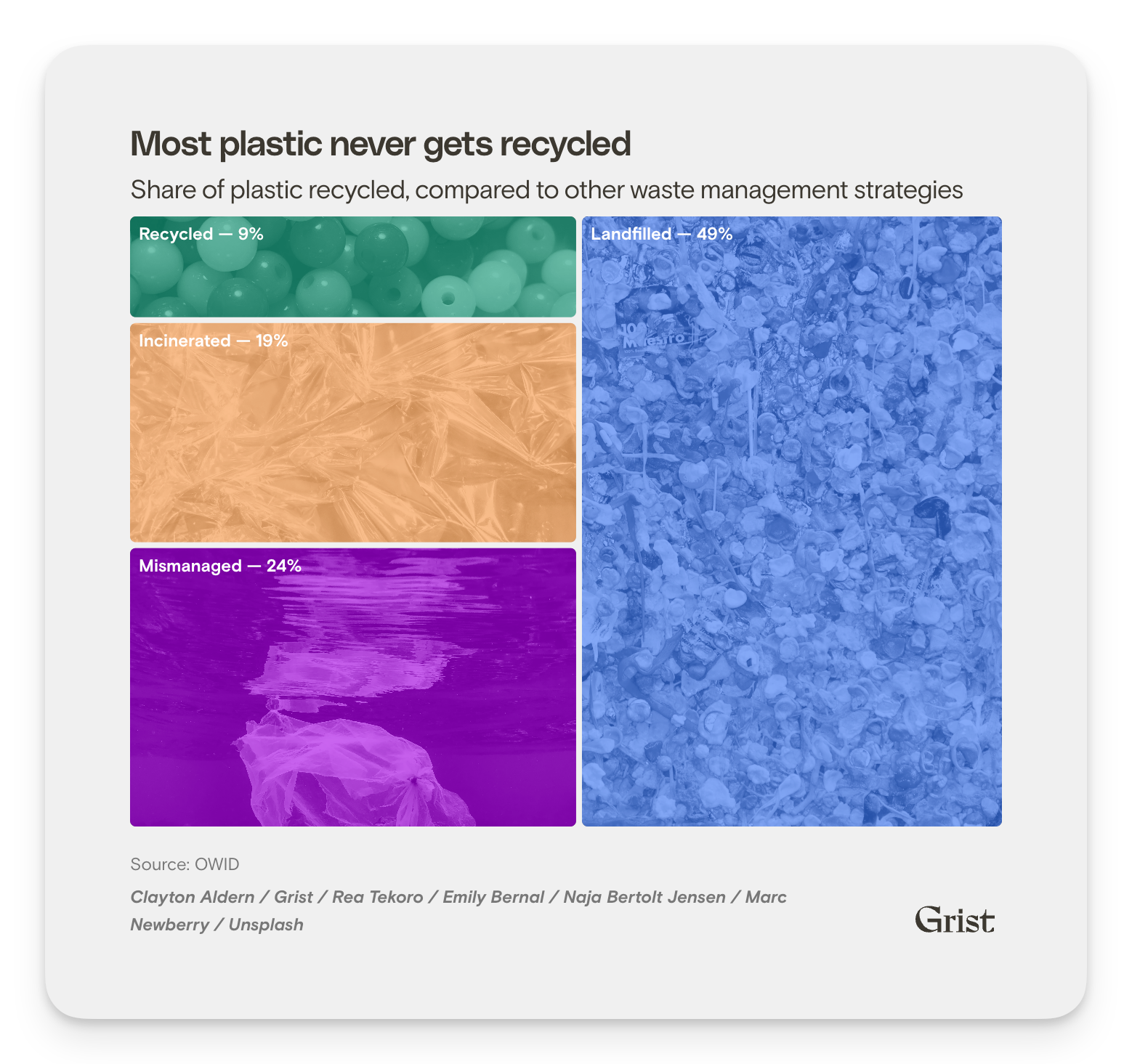
Since plastic began to be mass-produced in the 1950s, the material has been building up in the environment and in people’s bodies. These six graphs illustrate just how bad the problem has gotten, and why delegates from more than 170 countries have committed to negotiating a global, legally binding treaty to “end plastic pollution.” The second part of the fifth round of talks began on Tuesday and is scheduled to run through August 14 in Geneva, Switzerland.
‘Self-Termination Is Most Likely’: The History and Future of Societal Collapse
“We can’t put a date on Doomsday, but by looking at the 5,000 years of [civilisation], we can understand the trajectories we face today – and self-termination is most likely,” says Dr Luke Kemp at the Centre for the Study of Existential Risk at the University of Cambridge.
“I’m pessimistic about the future,” he says. “But I’m optimistic about people.” Kemp’s new book covers the rise and collapse of more than 400 societies over 5,000 years and took seven years to write. The lessons he has drawn are often striking: people are fundamentally egalitarian but are led to collapses by enriched, status-obsessed elites, while past collapses often improved the lives of ordinary citizens.
Today’s global civilisation, however, is deeply interconnected and unequal and could lead to the worst societal collapse yet, he says. The threat is from leaders who are “walking versions of the dark triad” – narcissism, psychopathy and Machiavellianism – in a world menaced by the climate crisis, nuclear weapons, artificial intelligence and killer robots.