A weekly collection of links to interesting things curated by Colin Wright.
The Untold Mental Trauma of Living Through the Malian War
Mali is stuck in a deep crisis featuring multiple actors. Conflict is threatening to split the country into two. On one side is the Malian army and allied Russian mercenaries from the Africa Corps, which locals call by its previous name, Wagner. On the other side are armed groups linked to al-Qaeda and ISIL (ISIS) as well as separatist groups who have been fighting for an independent state of Azawad.
Much of the armed group activity is happening in northern Mali. It’s the same area where Tuareg separatists have long fought for autonomy, including during a 2012 crisis. The dominant armed group is the al-Qaeda-linked Jama’at Nusrat al-Islam wal-Muslimin (JNIM), which aims to control territory and impose religious law. It funds its operations by taxing locals and controlling illicit gold mines. Sometimes, JNIM partners with Azawad separatists to attack government positions
The Interracial Cuck Porn Theory of Everything
Interracial porn as a genre is nothing new and you could teach a college course about the intersection between porn narratives and real-life racial dynamics, but for this analysis we’re not going to be picking apart any stereotypes or cultural nuances. There is no need for subtlety when studying IRCP theory. The porn we’re going to talk about is explicitly and purposefully racialized. I know writers who use subtext and they’re all cowards.
Pokémon at 30: Multimillion-Dollar Cards and Spiking Demand
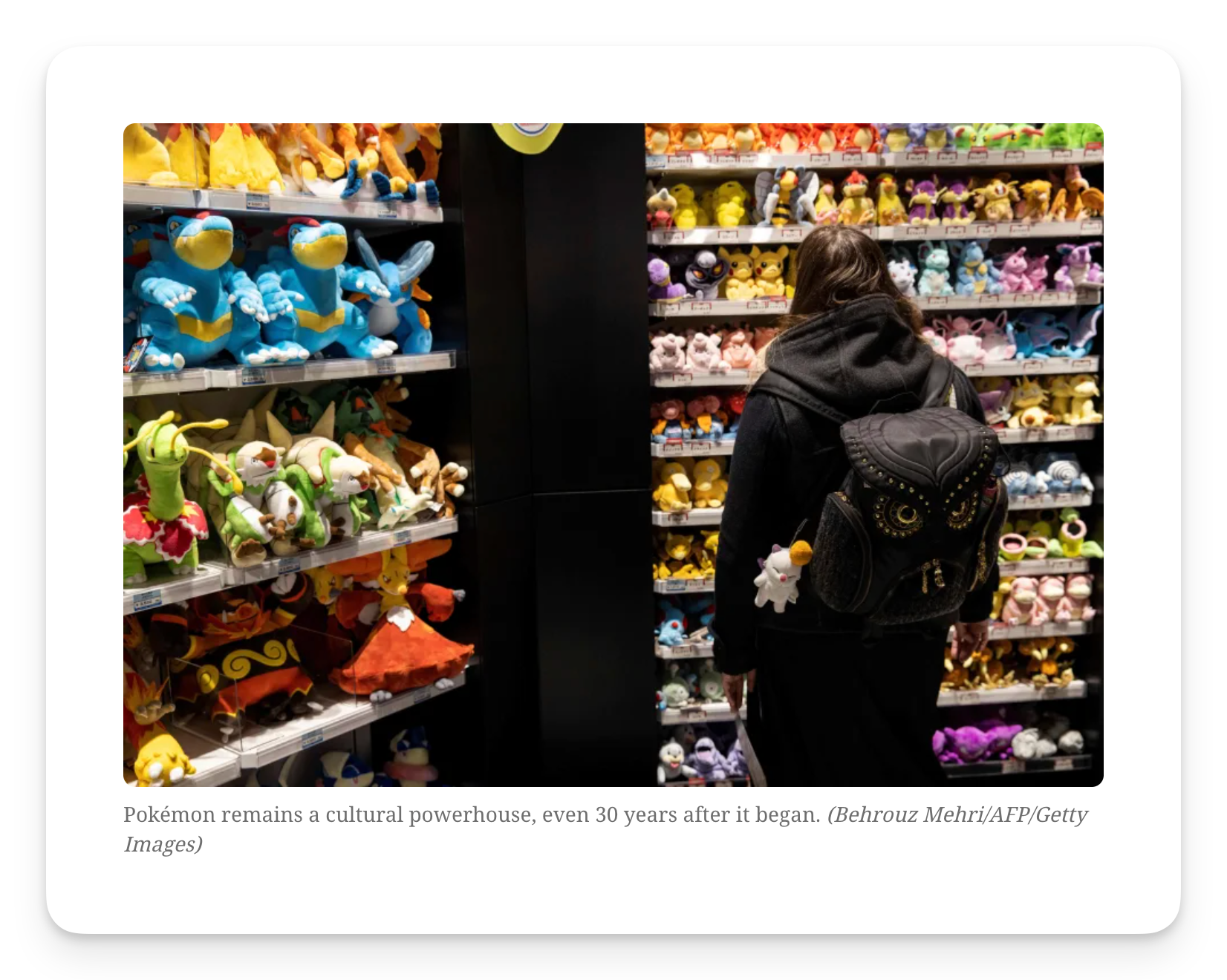
Trading cards are a key pillar to making Pokémon reportedly the world’s highest-grossing media franchise, and on the 30th anniversary of its launch, the cards continue making collectors of kids and adults alike. Their rising value is also drawing in a crop of speculators.
Earlier this month, influencer and wrestler Logan Paul sold a single card for a record-crushing $16.5 million. Line up the more than 75 billion Pokémon cards produced until March 2025 end to end and they would reach the moon and back around eight times over.
What began as the brainchild of a Japanese video game designer who loved collecting bugs as a child has — like so many of its iconic creatures — evolved, transforming into a hobby that has spawned its own quasi-stock market: one so potentially lucrative that multimillion-dollar auctions and armed robberies of shops selling the cards are parts of its news cycle.
Few Say Americans Have a Responsibility to Pay for News
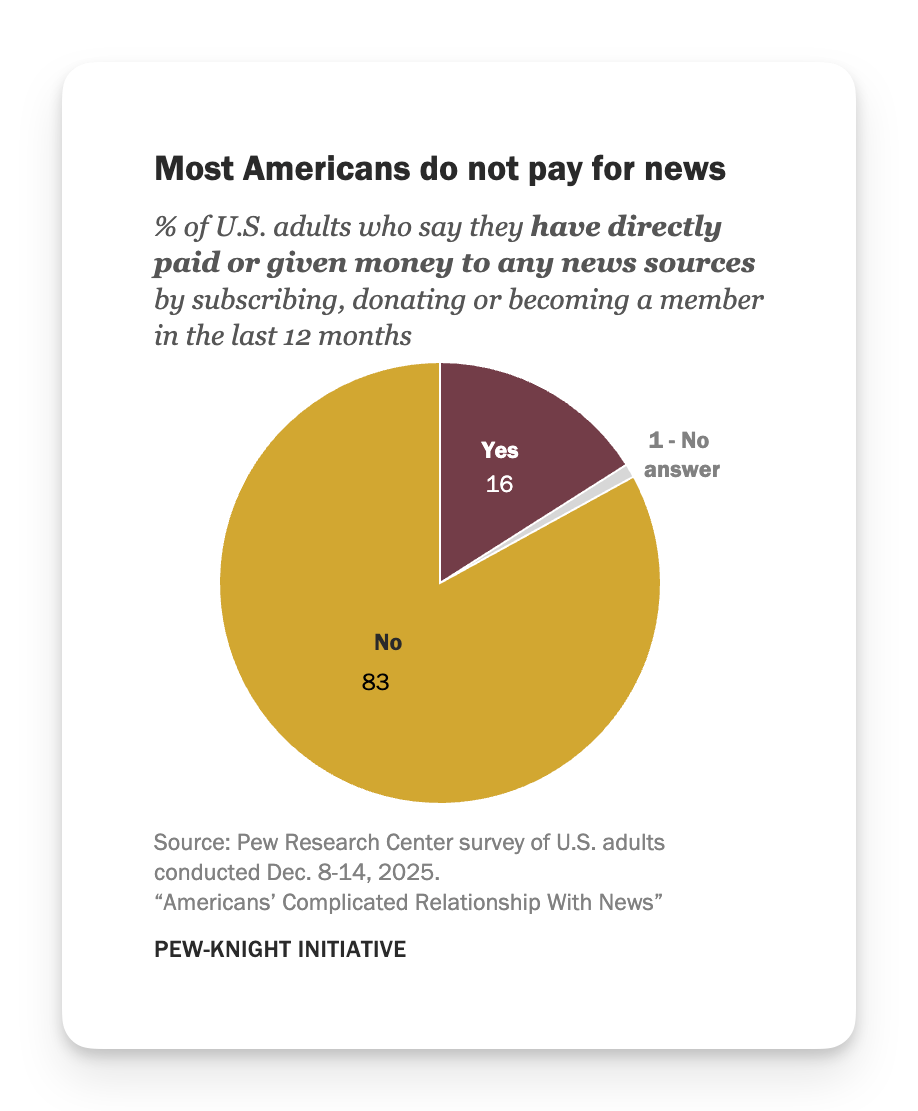
How news is funded is central to the sustainability of journalism, yet most Americans do not see paying for it as their responsibility. This analysis explores how the public thinks about paying for news, the reasons behind their views, and who is most likely to pay.
Our findings reflect a recurring theme: Americans value being informed, but they feel a limited obligation to contribute financially to the system that produces the news.
Brain-Computer Interface Enables Independent, Accurate Communication for Man Living With ALS
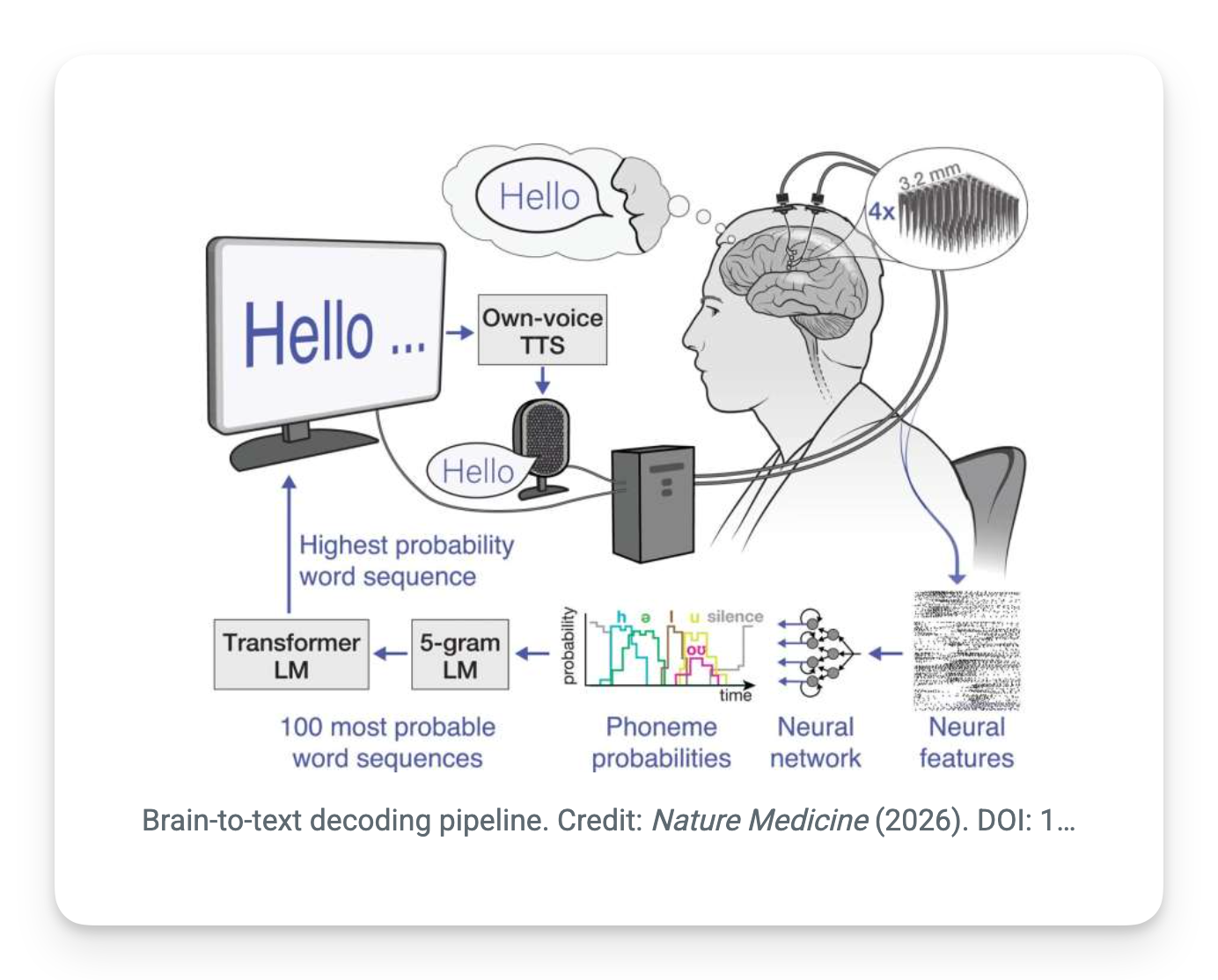
A new study demonstrates that a person with severe paralysis caused by amyotrophic lateral sclerosis (ALS) can use a brain-computer interface (BCI) at home to communicate, work and interact with the digital world—without the need for researcher support. Published in Nature Medicine, the results mark a significant step toward delivering practical assistive technology for people with severe speech and motor impairments.
The BCI system was developed at UC Davis, in collaboration with colleagues at Brown University and Mass General Brigham Neuroscience Institute. It is equipped with advanced decoding algorithms that translate neural signals into text (speech BCI) and enable cursor control (movement BCI). It allows full interaction with a personal computer.
Ditch the Batteries: Off-Grid Compressed Air Energy Storage
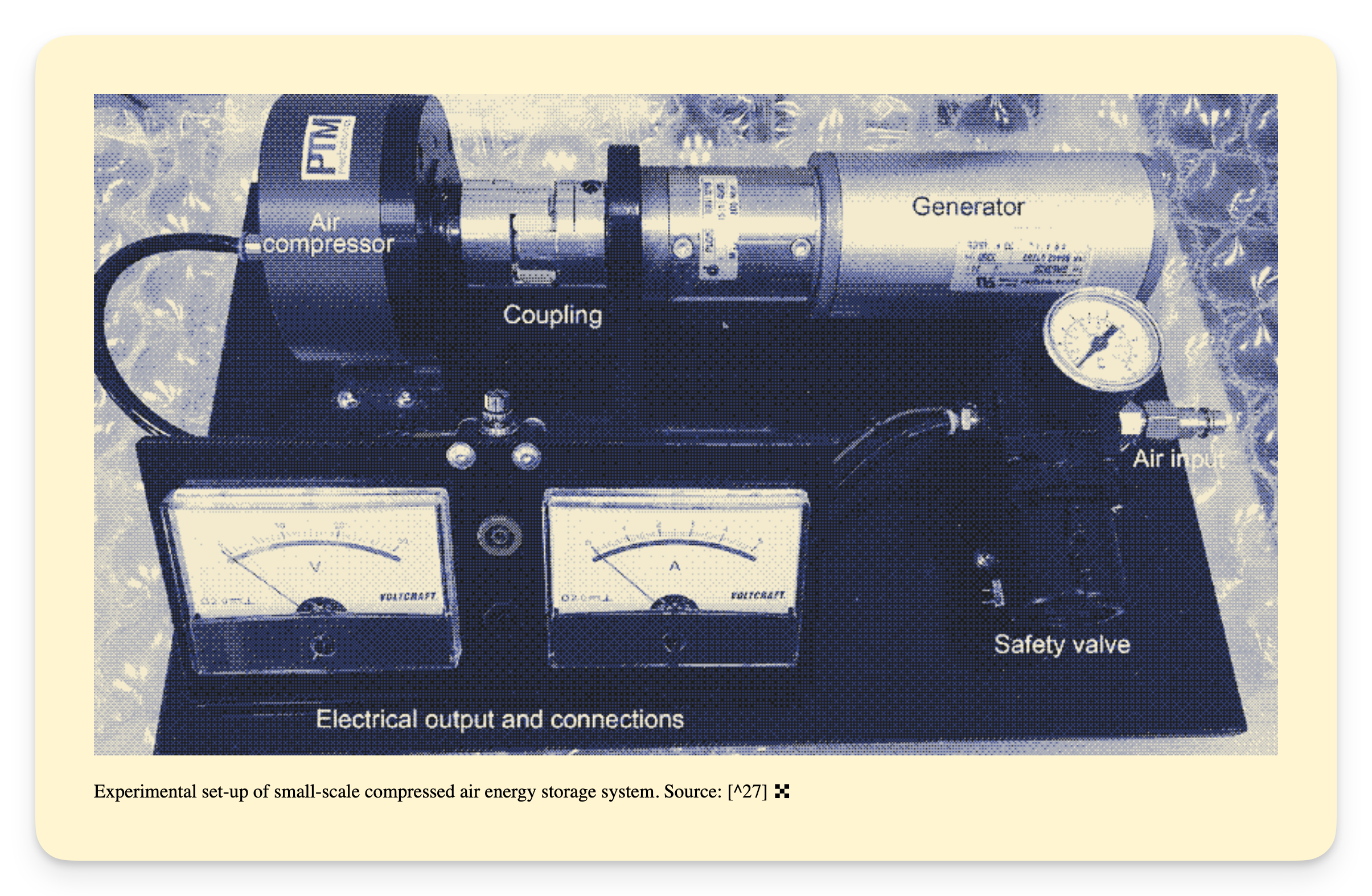
Going off-grid? Think twice before you invest in a battery system. Compressed air energy storage is the sustainable and resilient alternative to batteries, with much longer life expectancy, lower life cycle costs, technical simplicity, and low maintenance. Designing a compressed air energy storage system that combines high efficiency with small storage size is not self-explanatory, but a growing number of researchers show that it can be done.
Compressed Air Energy Storage (CAES) is usually regarded as a form of large-scale energy storage, comparable to a pumped hydropower plant. Such a CAES plant compresses air and stores it in an underground cavern, recovering the energy by expanding (or decompressing) the air through a turbine, which runs a generator.
Unfortunately, large-scale CAES plants are very energy inefficient. Compressing and decompressing air introduces energy losses, resulting in an electric-to-electric efficiency of only 40-52%, compared to 70-85% for pumped hydropower plants, and 70-90% for chemical batteries.