A weekly collection of links to interesting things curated by Colin Wright.
A Short History of Modern Brand Design
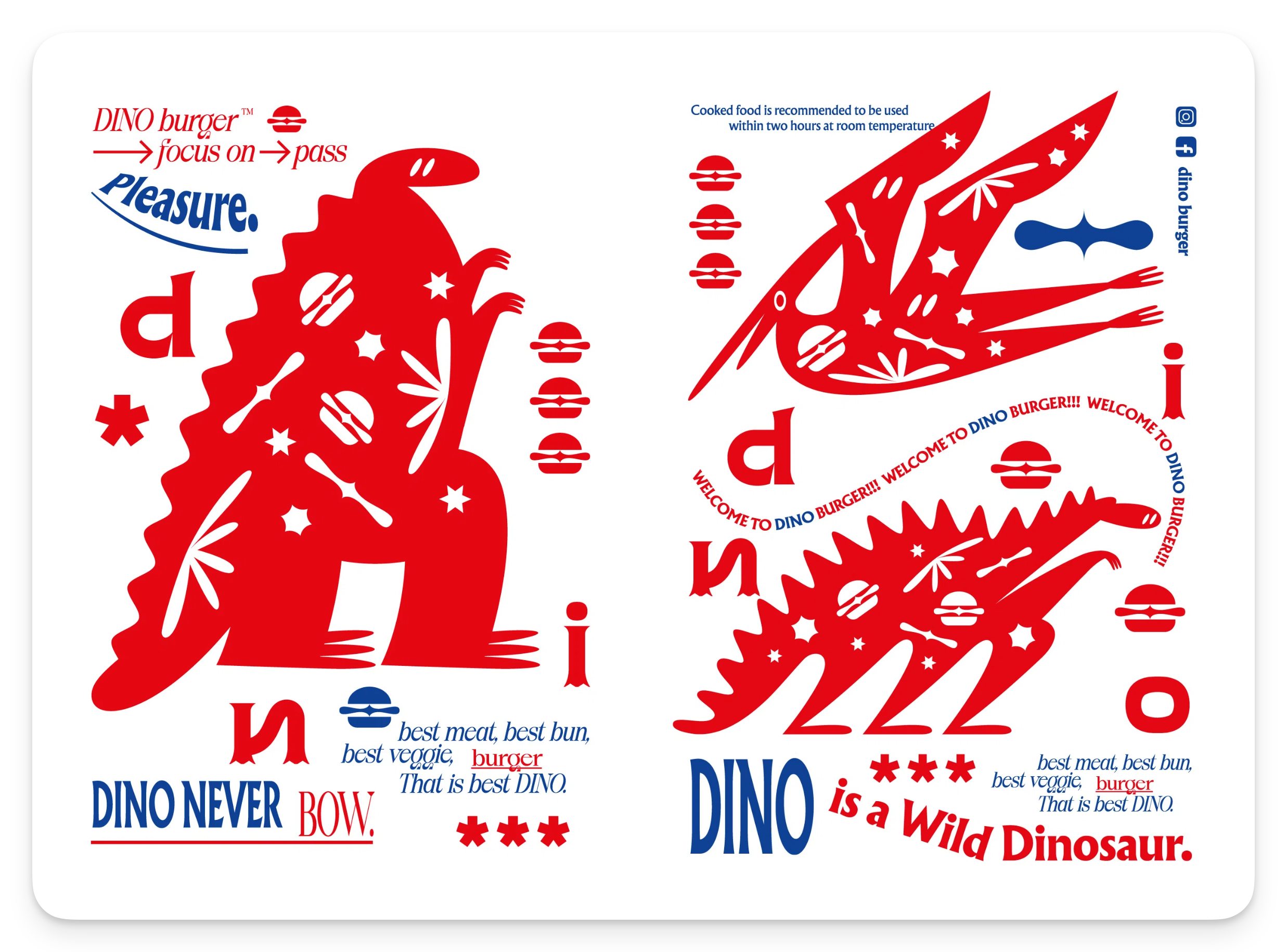
With the emergence of highly complex language among early Homo sapiens, it is plausible to think that the practice of using names to identify individual people within social groups also emerged. The handprints and abstract engravings seen in prehistoric cave paintings may, according to research, well be the first ways in which individuals visually represented their personal ‘signatures’. Surely, it would not be going out on a limb to say that expressing identity using words and images fulfils a primal human need.
How Physicists Track and Trap the Elusive Neutrino
The massive device that Cowan and Reines deployed in early 1956 was meant to find what Pauli thought was impossible. That June, the pair of physicists from the Los Alamos National Laboratory sent Pauli a telegram(opens a new tab): “We are happy to inform you that we have definitely detected neutrinos.”
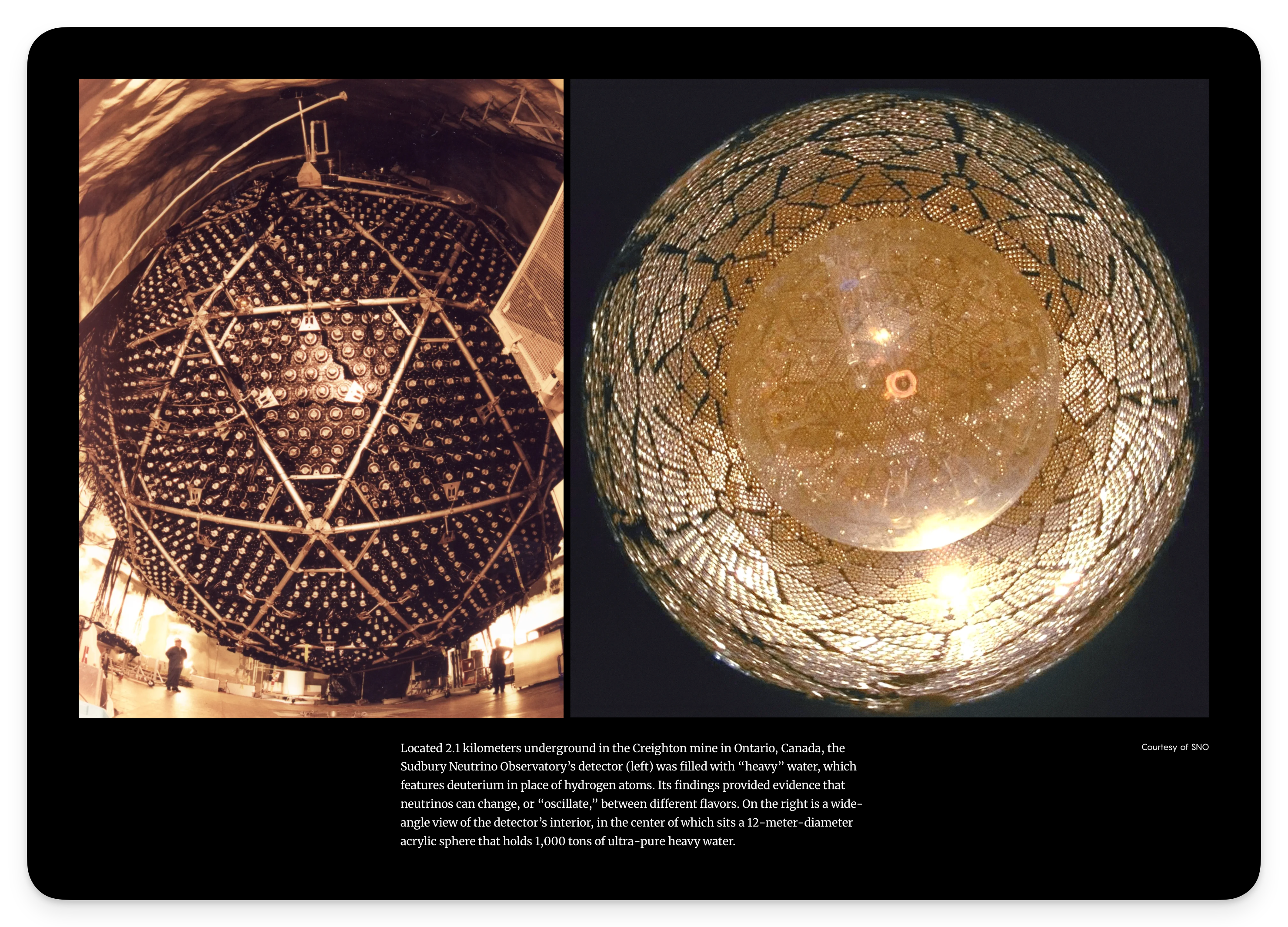
Attention then shifted to a broader question. If nuclear reactions produce neutrinos, could we use them to peer at the nuclear fireworks inside stars, including the sun? This presented a huge challenge: How can you possibly catch particles shooting from distant stars if these particles can pass through almost anything undetected? The suspicion was that detecting a particle that rarely collides with matter requires a vast amount of matter for it to collide with. Moreover, the matter would have to be shielded from the noise of other forms of radiation. So the answer scientists came up with was to build some of the biggest, deepest, and most exotic experimental traps in scientific history … and then wait.
The Drawer Problem: Why So Many of Us Can’t Let Go of Our Old Electronics, and What We Can Do About It
Think about the last smartphone, tablet or smartwatch you stopped using. Odds are it is not in a recycling bin or a new owner’s hands; it is sitting in a drawer.
From our survey of 4,000 American consumers, we found the single most common thing people did with a device they were finished with was nothing at all: 39% simply stored it. Recycling and reselling, outcomes better for the environment, each accounted for only about 1 in 10 devices. Throwing devices in the trash claimed another 9%.
Student Cheating Is Becoming Impossible to Detect in an A.I. Era
Humanizers rewrite A.I.-produced text to make it sound less robotic, formulaic and trite.
Autotypers slowly drip words and sentences into documents, making it appear as if papers were typed at a human pace when in fact, they were produced by A.I. They even fabricate typos, deletions and revisions.
Both tools can help students evade software designed to detect A.I.
Most Efficient Solar Module in the World
The Fraunhofer Institute for Solar Energy Systems (ISE) is no stranger to solar power records, and it’s just set another one.
Via its own III-V germanium solar PV module, the institute reached 34.4 percent solar module efficiency. The solar record march goes on.
“The solar cells were developed by AZUR SPACE, while the anti-reflective coatings on the front glass were provided by temicon. Visitors to Intersolar / The Smarter E 2026 can see the world’s most efficient PV module at Fraunhofer ISE’s booth A1.440,” Fraunhofer ISE shares.
Why American Data Centers Can’t Plug In
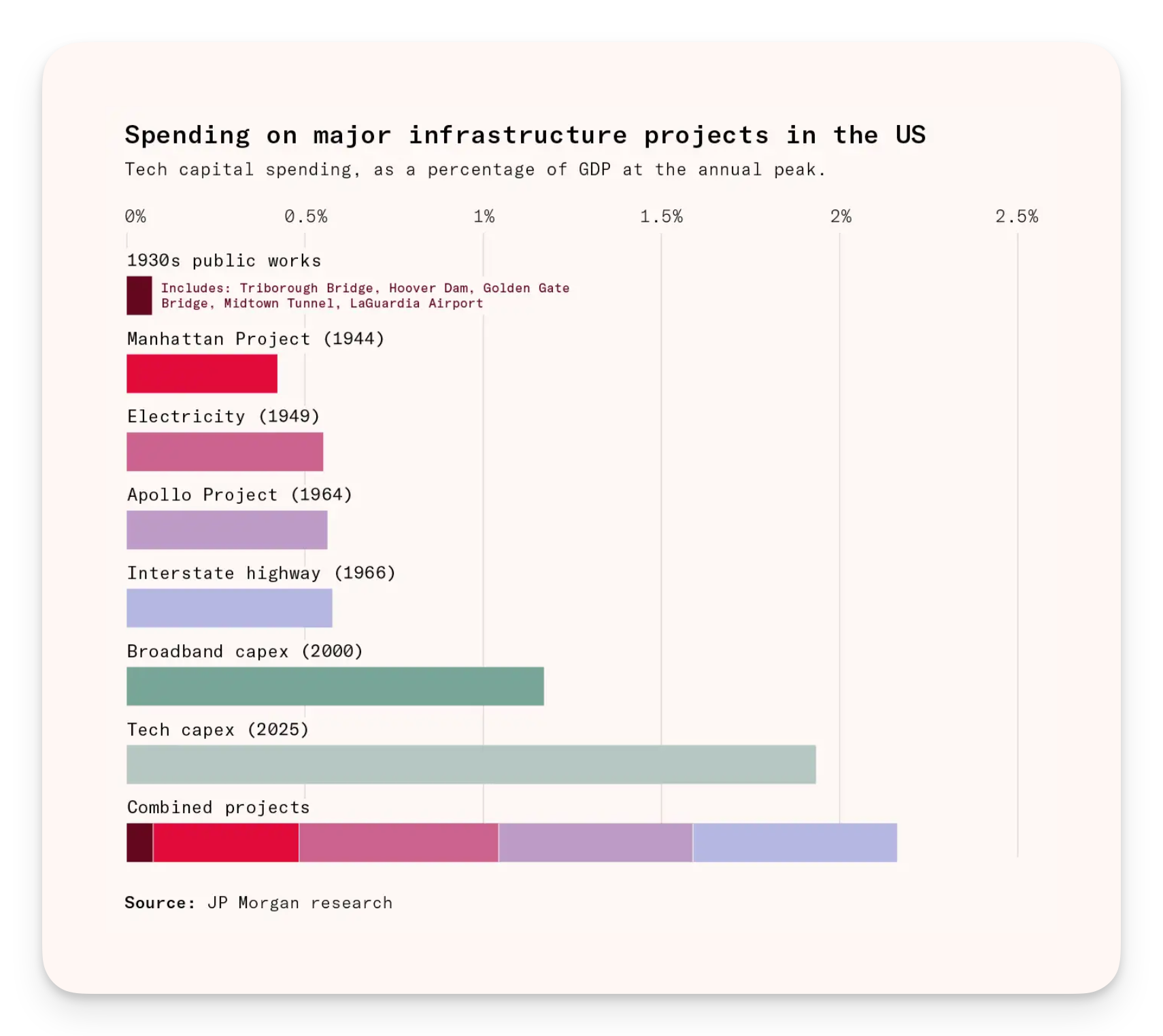
One of the most expensive projects in history is under construction in Abilene, Texas. This joint venture, Stargate, is the flagship of a bigger project by the same name led by OpenAI and Softbank, and is expected to cost well over $40 billion for a high-performance computing campus that will train new generations of AI models.
Stargate is just one major project in one of the biggest investment booms in history, driven by the belief that increasingly powerful AI models can deliver explosive economic growth. But it will require enormous amounts of electricity to work: Stargate is expected to draw 1.2 gigawatts, as much as 313,000 median American family homes, at peak load. A report by EpochAI and an energy research institute projected that total AI computing power would reach 100 gigawatts worldwide in 2030 if the 2025 growth rate stays steady. And data centers aren’t the only energy-hungry element of the AI revolution. The biggest battery manufacturing plants in the US draw energy at a rate of 115 megawatts, and the first phase of TSMC’s Arizona semiconductor plant will draw 200 megawatts.