

A weekly collection of links to interesting things curated by Colin Wright.
How Do Archivists Package Things?
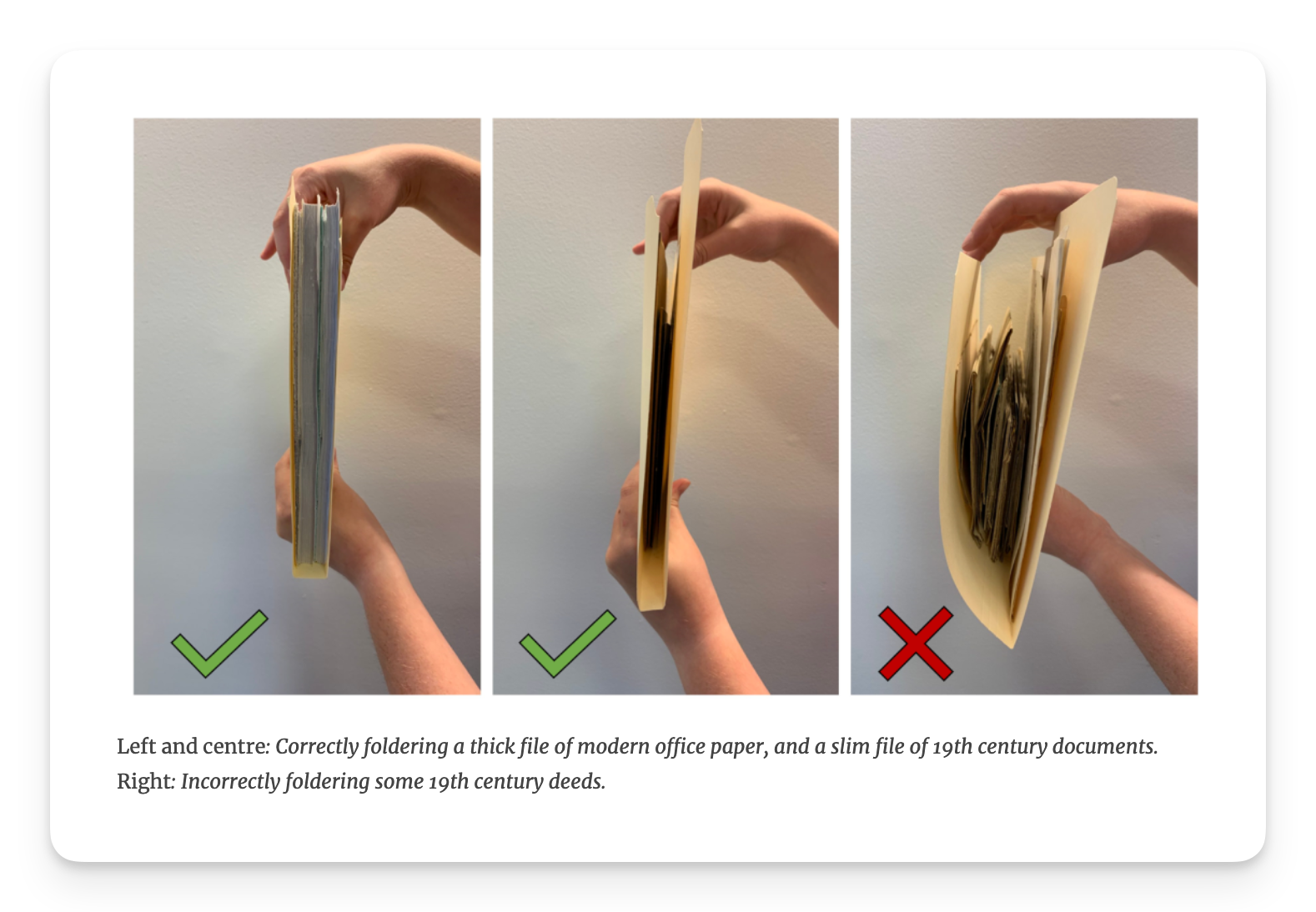
Why is this post called the “battle of the boxes”? First, this is a tongue-in-cheek reference to the friendly rivalry between the two common packaging styles we’ll look at. Archivists themselves sometimes take their local practices for granted. We hope that archival workers, as well as interested members of the public, might learn something about one another.
Second, and more seriously, archivists wage war every day against the universe’s tendency to disorder. Boxes and files are just some of the weapons in our arsenal, as we strive to keep the self-knowledge of humanity safe for as long as possible.
A Little History of the Anchovy
Anchovies, however they are preserved, have some of the highest levels of umami – really, an amino acid called glutamate – of any food on the planet. It’s an addictive pleasure. When Charles V, Holy Roman Emperor, abdicated in 1556 and retired to the monastery of Yuste in western Spain, he demanded a ready supply. So addicted to them was he that on one occasion his doctor had to remonstrate with him to stop him starting on a barrelful that had putrefied in transit.
Banana Equivalents
Bananas are (slightly) radioactive. The banana equivalent dose (BED) is a measurement of radiation. It’s definitely not enough to hurt you.
When we think about risk, the BED is a useful way to find perspective. Is the exposure this new thing will cause on the order of a banana? If so, perhaps we shouldn’t worry about it so much. A chest x ray might be like eating 100 bananas… it gives us a scale we can work with.
The Economics of Running a Haunted House
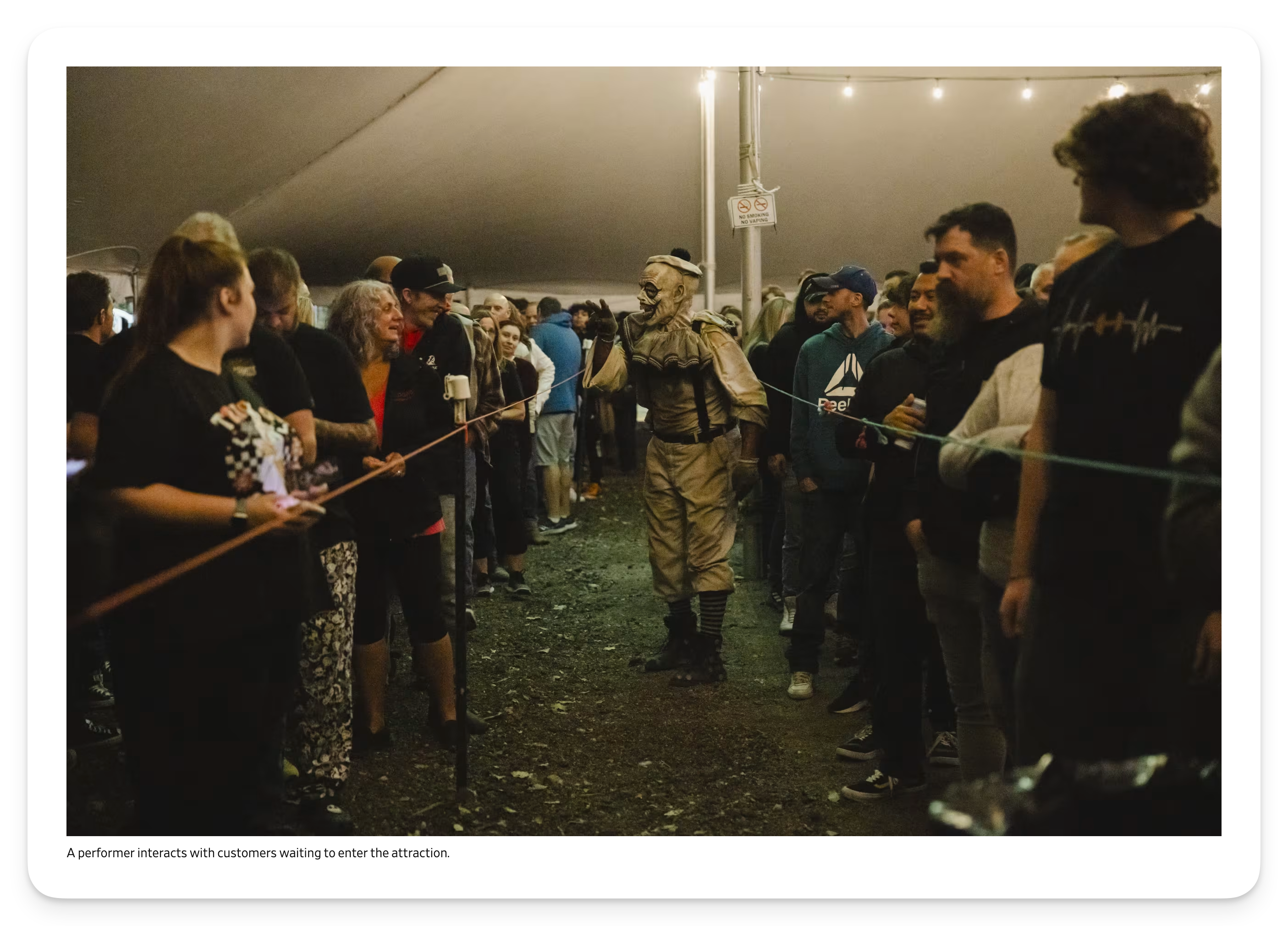
John LaFlamboy has about one month to earn his living for the year. That month is October, and his business is scaring people.
He does it at the HellsGate Haunted House in Lockport, Ill., 35 miles south of Chicago. Like most other haunted houses, HellsGate is open only during the Halloween season—and a rainy autumn or a winning streak by his beloved Cubs can keep people away and destroy his profit margin.
“When they are in the playoffs, I see a 23% drop in ticket sales,” says LaFlamboy, who is 49. “At least most of the Bears games are at noon, but a Sunday night game is the worst for business.”
Leaked Disney Data Reveals Financial and Strategy Secrets
Passport numbers for a group of Disney cruise line workers. Disney+ streaming revenue. Sales of Genie+ theme park passes.
The trove of data from Disney that was leaked online by hackers earlier this summer includes a range of financial and strategy information that sheds light on the entertainment giant’s operations, according to files viewed by The Wall Street Journal. It also includes personally identifiable information of some staff and customers.
The leaked files include granular details about revenue generated by such products as Disney+ and ESPN+; park pricing offers the company has modeled; and what appear to be login credentials for some of Disney’s cloud infrastructure.
The Quest to Build a Telescope on the Moon
Unlike telescopes such as the Hubble and the James Webb, which are made from mirrors and lenses, FarView would comprise a hundred thousand metal antennas made on-site by autonomous robots. It would cover a Baltimore-size swath of the moon. To show the FarView site up close, Carol drew a big square filled with dots. Each dot represented a cluster of four hundred antennas; all the clusters together would be sensitive enough to detect a cell phone on Pluto. They would perceive light that is nearly undetectable from Earth: radio waves from a mysterious period known as the Cosmic Dark Ages.
How We Survived Extreme Heat in Prison
Several courts have ruled that extreme temperatures in prison violate the Eighth Amendment’s provision against “cruel and unusual” punishment. But these rulings have not led to a widespread adoption of air-conditioning or other methods to cool prison facilities or prevent heat-related deaths. Public health researchers at Brown University estimate that just one day of above average summer temperatures is associated with a nearly 4% increase in prison deaths. Suicides spike 23% in the three days following a heat wave. And for every 10 degrees above the average summer temperature, prison deaths increase 5%.