

A weekly collection of links to interesting things curated by Colin Wright.
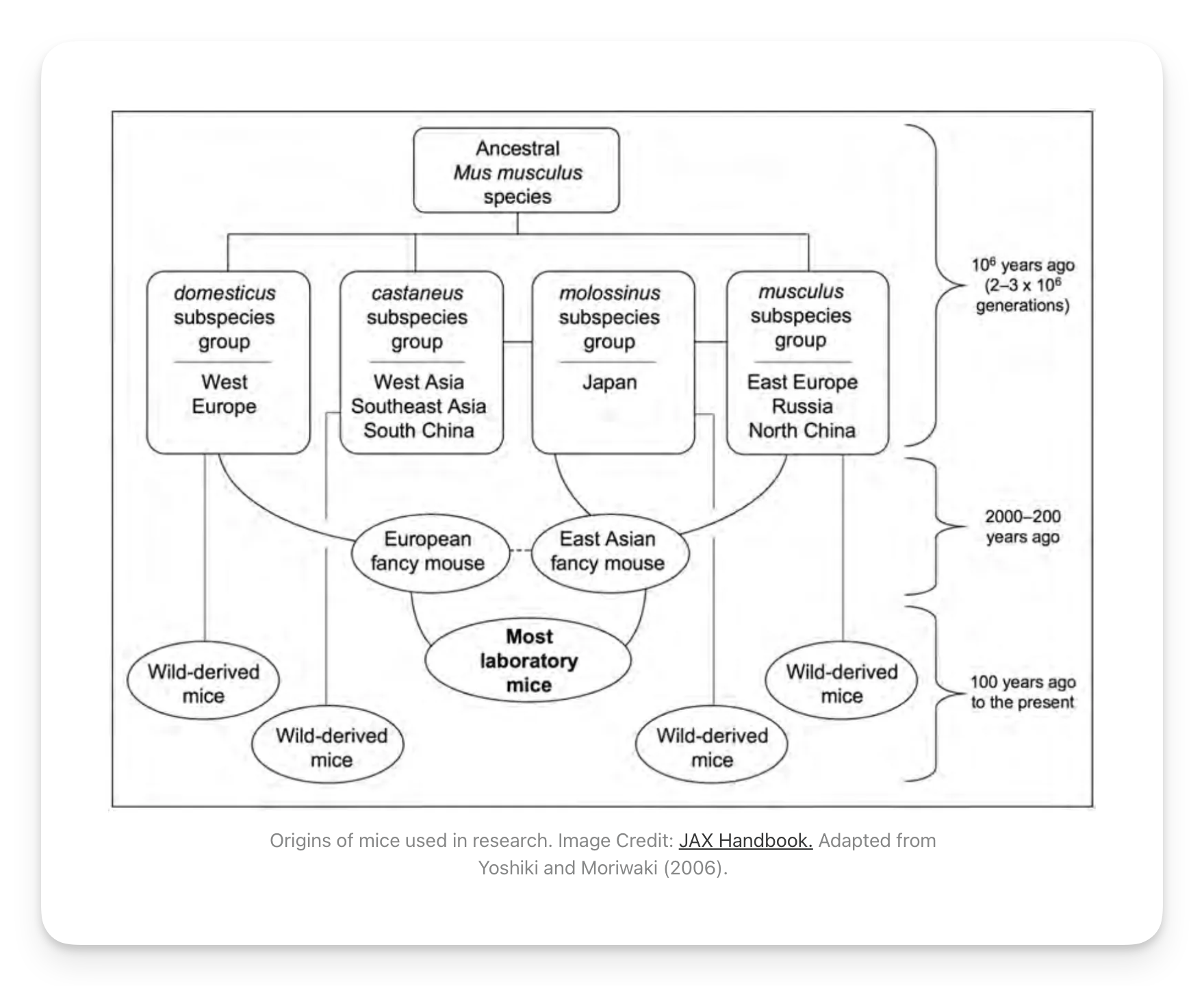
Origins of the Lab Mouse
While their ubiquity may be an accident of history, mice did not become the dominant animal model for biomedical research purely by chance: they have short generation times, large litters, and are small and relatively easy to handle. Mice, being mammals, are superficially (two eyes, two ears, four limbs) and genetically similar to humans; 99 percent of human genes have a counterpart in mice, and the protein-coding genes we share are 85 percent sequence-identical. This puts mice somewhere between pigs and primates in terms of sequence similarity with humans.
Estimating the Size of a Single Molecule
Sometime around 1770, while visiting London, Franklin became intrigued by a phenomenon he had observed during his transatlantic voyage. Specifically, he noticed that when ships discarded greasy slops into the ocean, the surrounding waves would calm. This ancient practice of oiling the seas to pacify turbulent waters was known to the Babylonians and Romans, but Franklin decided to investigate further.
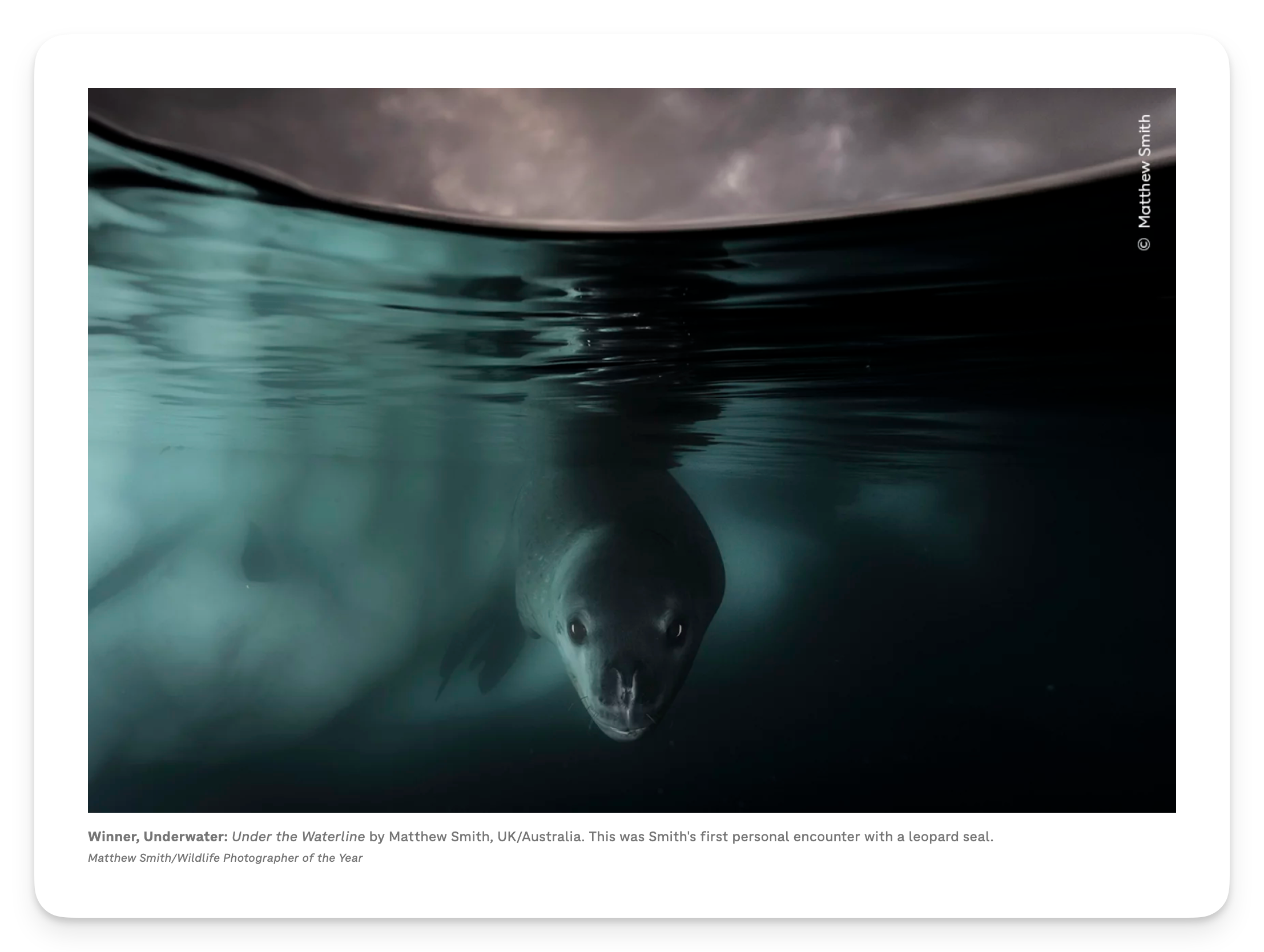
Wildlife Photographer of the Year Winners
They lay in wait for hours, weeks and sometimes months, tracking animals in the wild and moving carefully so as not to disturb their surroundings.
They set up their camera traps, framed their shots and seized the moment — from a lynx stretching in the sunshine and a young monkey sleeping in an adult’s arms, to an anaconda wrestling with a yacare caiman and a falcon hunting a butterfly.
Now, thanks to those efforts, they are officially the 2024 Wildlife Photographers of the Year.


The Subprime AI Crisis
None of what I write in this newsletter is about sowing doubt or "hating," but a sober evaluation of where we are today and where we may end up on the current path. I believe that the artificial intelligence boom — which would be better described as a generative AI boom — is (as I've said before) unsustainable, and will ultimately collapse. I also fear that said collapse could be ruinous to big tech, deeply damaging to the startup ecosystem, and will further sour public support for the tech industry.
Climate Warning as World’s Rivers Dry Up at Fastest Rate for 30 Years
Over the past five years, there have been lower-than-average river levels across the globe and reservoirs have also been low, according to the World Meteorological Organization’s (WMO) State of Global Water Resources report.
In 2023, more than 50% of global river catchment areas showed abnormal conditions, with most being in deficit. This was similar in 2022 and 2021. Areas facing severe drought and low river discharge conditions included large territories of North, Central and South America; for instance, the Amazon and Mississippi rivers had record low water levels. On the other side of the globe, in Asia and Oceania, the large Ganges, Brahmaputra and Mekong river basins experienced lower-than-normal conditions almost over the entire basin territories.
The “Whisperverse”: The Future of Mobile Computing Is an AI Voice Inside Your Head
Within the next few years, an AI assistant will take up residence inside your head. It will do this by whispering guidance into your ears as you go about your daily routine, reminding you to pick up your dry cleaning as you walk down the street, helping you find your parked car in a stadium lot, and prompting you with the name of a coworker you pass in the hall. It may even coach you as you converse with friends and coworkers, giving you interesting things to say that make you seem smarter, funnier, and more charming than you are. These will feel like superpowers.
Russian Oil Flows Through Western ‘Price Cap’ as Shadow Fleet Grows
A plan hatched by wealthy Western nations to deprive Russia of oil revenue is largely faltering, a new report found, with the majority of the Kremlin’s seaborne oil exports evading restrictions that were supposed to limit the price of Russian crude.
Almost two years since an oil “price cap” was enacted, nearly 70 percent of the Kremlin’s oil is being transported on “shadow tankers” that are evading the restrictions, according to an analysis published Monday by the Kyiv School of Economics Institute, a Ukraine-based think tank.