

A weekly collection of links to interesting things curated by Colin Wright.
On the Origin of the Pork Taboo
Pork accounts for more than a third of the world’s meat, making pigs among the planet’s most widely consumed animals. They are also widely reviled: For about two billion people, eating pork is explicitly prohibited. The Hebrew Bible and the Islamic Koran both forbid adherents from eating pig flesh, and this ban is one of humanity’s most deeply entrenched dietary restrictions. For centuries, scholars have struggled to find a satisfying explanation for this widespread taboo. “There are an amazing number of misconceptions people continue to have about pigs,” says archaeologist Max Price of Durham University, who is among a small group of scholars scouring both modern excavation reports and ancient tablets for clues about the rise and fall of pork consumption in the ancient Near East. “That makes this research both frustrating and fascinating.”

Yes, Shrimp Matter
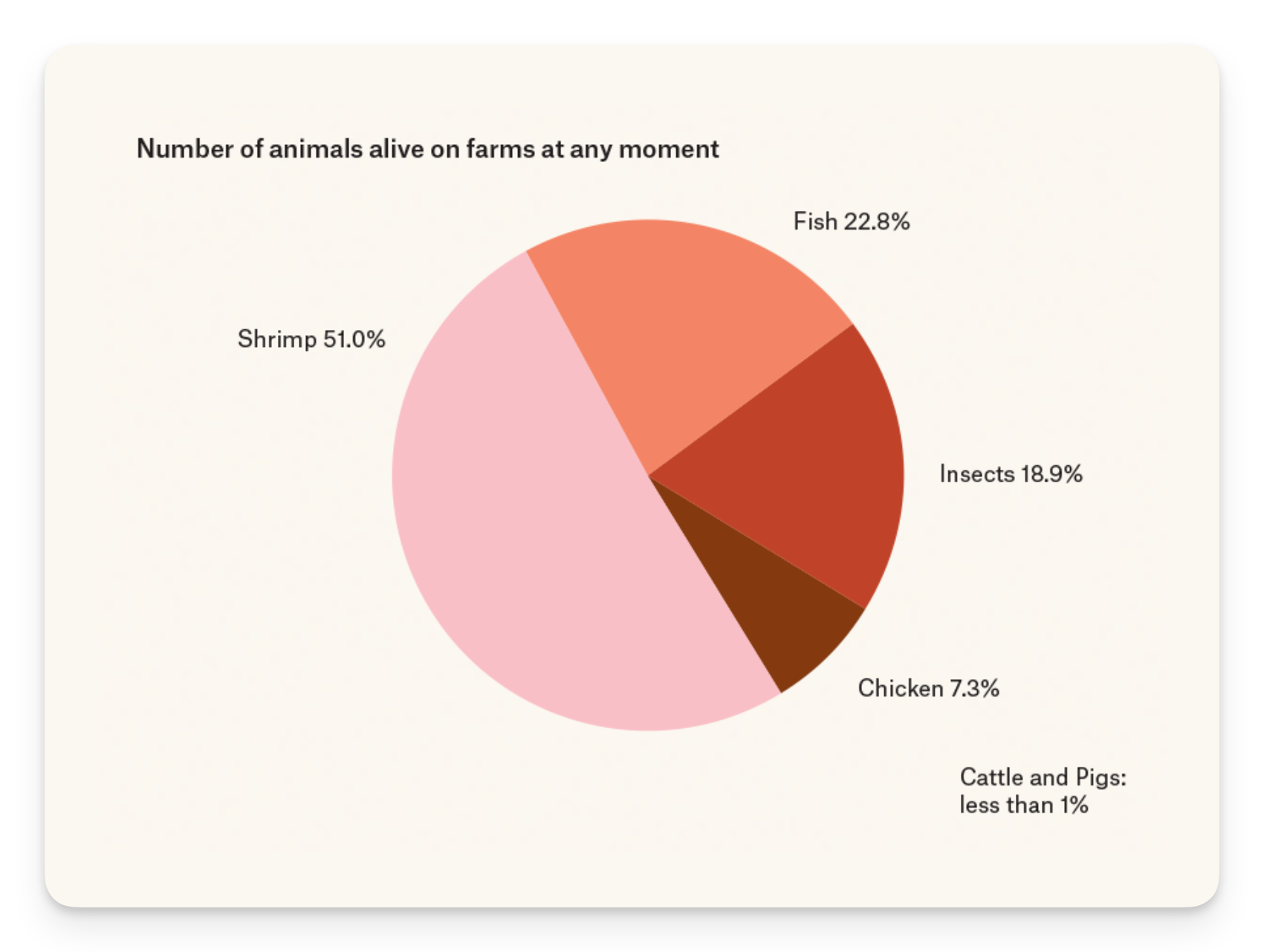
These numbers wouldn’t matter if shrimp didn’t have the internal experience associated with suffering, but a growing body of evidence suggests that they do. A comprehensive review commissioned by the U.K. government found strong evidence of sentience in decapods, which includes shrimp, lobsters, prawns, and crabs. Evidence was particularly strong in true crabs. Crabs can learn. They can make trade-offs and act to protect themselves in flexible, complex ways. Everything we know about the structure of their brains suggests that they feel pain. While shrimp have been studied less extensively, the evidence suggests that they have similar capabilities. The fundamental neural architecture have in common with other animals includes pain receptors, nerve centers capable of integrating information from different sensory sources, and molecular machinery for detecting noxious stimuli.
Now in College, Luddite Teens Still Don’t Want Your Likes
She taped a flier to a pole: “Join the Luddite Club For Meaningful Connections.” Down the block, she posted another one: “Do You Desire a Healthier Relationship With Technology, Especially Social Media? The Luddite Club Welcomes You and Your Ideas.”
When a student approached, Ms. Watling dove into her pitch.
“Our club promotes conscious consumption of technology,” she said. “We’re for human connection. I’m one of the first members of the original Luddite Club in Brooklyn. Now I’m trying to start it in Philly.”
She pulled out a flip phone, mystifying her recruit.
“We use these,” she said. “This has been the most freeing experience of my life.”
Students Are Doubling as Cheap Labor for Taiwan’s Semiconductor Factories
Dang is among thousands of teenagers from Southeast Asia who have been recruited into work-study programs since 2017, and ended up in factory jobs in Taiwan’s booming semiconductor sector. The tiny island supplies 63% of the world’s semiconductors — chips that power everything from LED bulbs to smartphones, electric cars, and artificial intelligence models. The industry is growing rapidly, with revenue expected to hit $1 trillion by 2030 from $545 billion in 2023, according to a PricewaterhouseCoopers report.
Texas Is Running Out of Water
Texas officials fear the state is gravely close to running out of water.
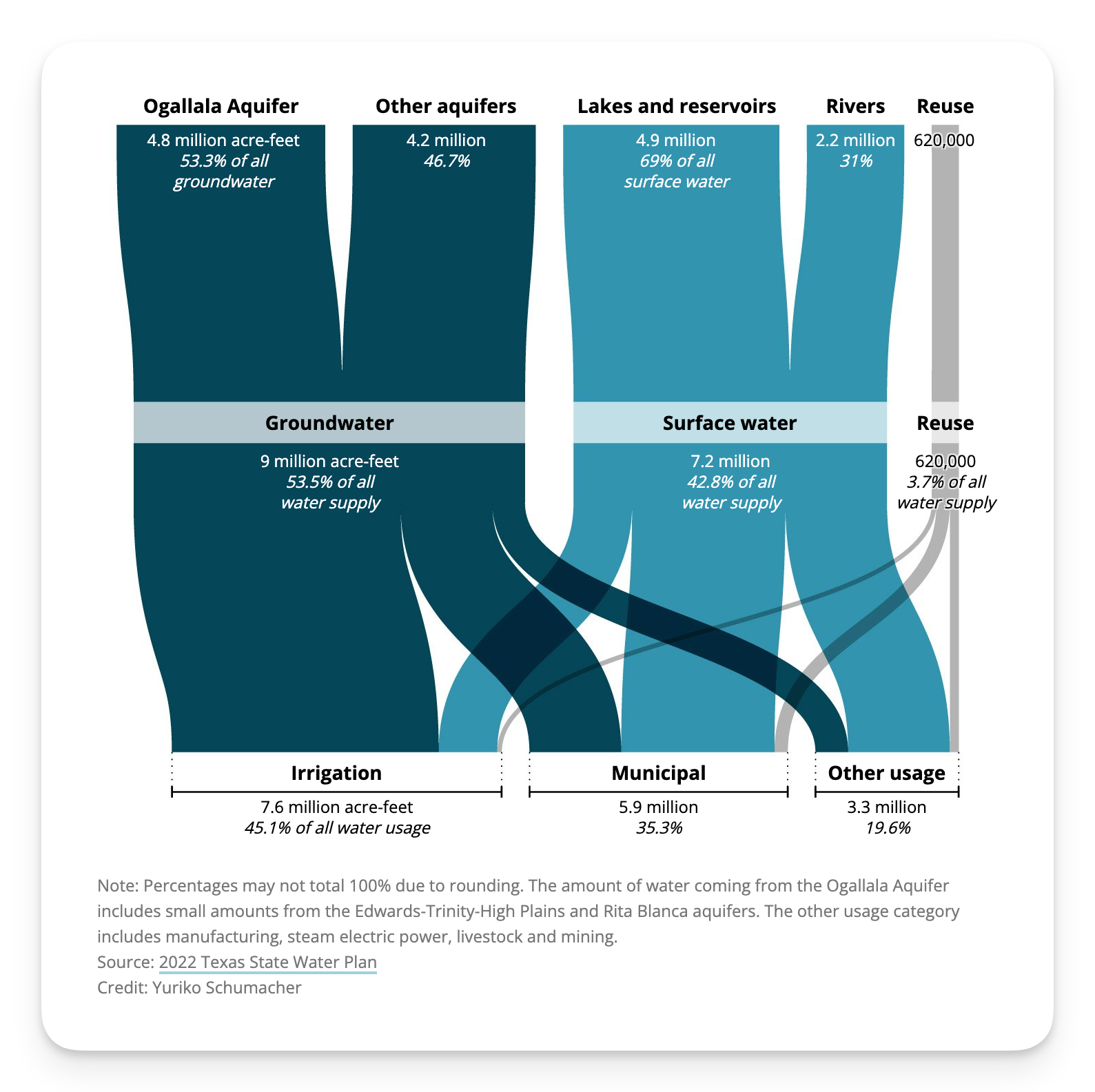
Towns and cities could be on a path toward a severe shortage of water by 2030, data compiled in the state's 2022 water plan by the Texas Water Development Board indicates. This would happen if there is recurring, record-breaking drought conditions across the state, and if water entities and state leaders fail to put in place key strategies to secure water supplies.
At risk is the water Texans use every day for cooking, cleaning — and drinking.
The Great AI Art Heist
It didn’t take long for her to realize that generative artificial intelligence was going to be trouble — or that it would, at the very least, change everything — for independent artists. It was 2022, and generative AI models like ChatGPT were beginning to pique mainstream interest. The app Lensa AI had dazzled social media with the allure of summoning up instantaneous portraits of whomever you wanted, in any style you wanted. No one seemed to be thinking about how it manufactured such creations.
Grand Theft Auto: Real Life
About 10% of the cars stolen in the US today are smuggled overseas, according to Homeland Security Investigations (HSI), which runs a New Jersey-based task force that integrates the efforts of local and federal law enforcement and coordinates crackdowns up and down the East Coast. Nowhere is international stolen-car traffic more robust than in the trade from the eastern US to ports in West Africa. With long-established routes hauling millions of shipping containers each month, car thieves have become bold in their efforts to slip stolen vehicles into this flow of legitimate commerce.