

A weekly collection of links to interesting things curated by Colin Wright.
Bamboo Scaffolding in Hong Kong
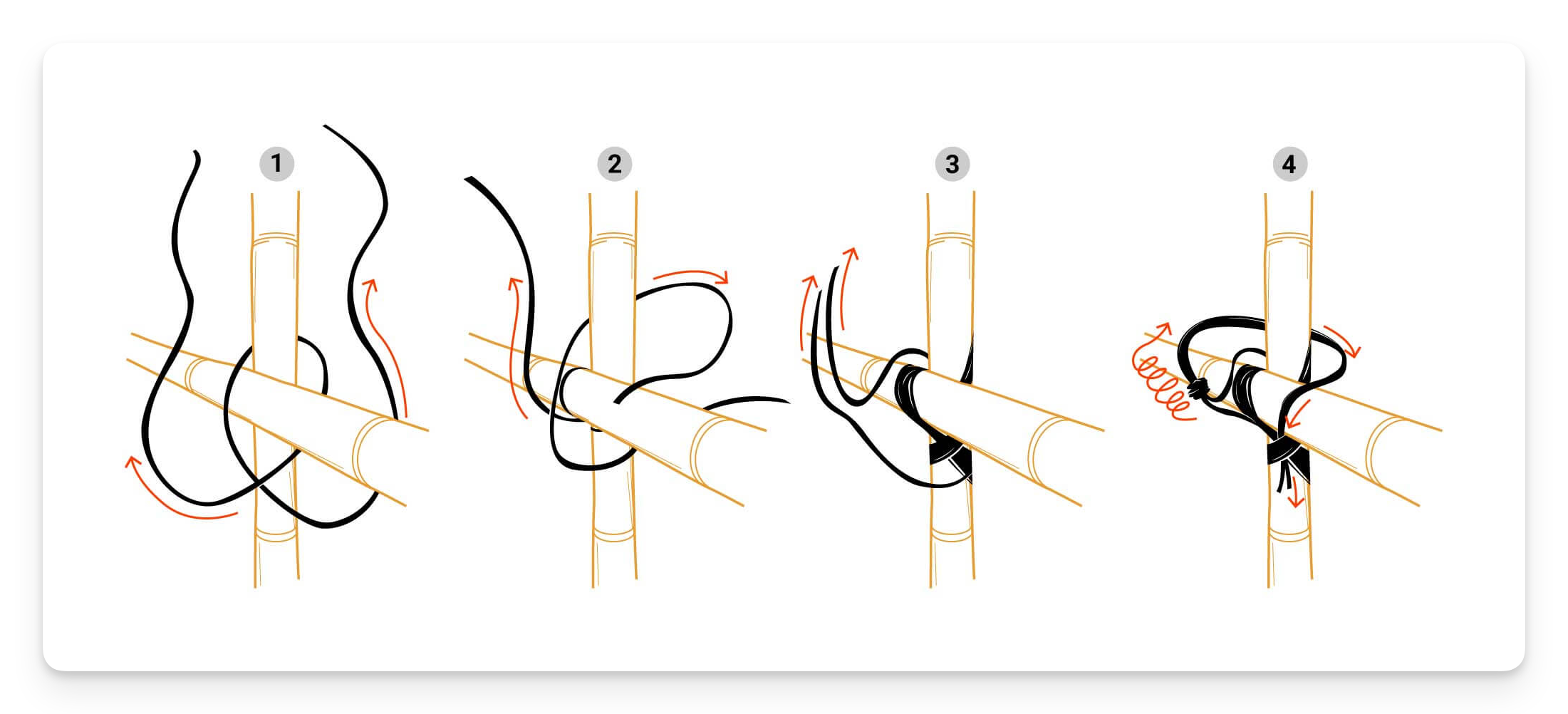
Hong Kong is one of the last places in the world where bamboo is still widely used for scaffolding in construction. It’s flexible, strong and cheaper than steel and aluminium — metal alternatives that are now more commonly used in mainland China and elsewhere in Asia. In Hong Kong, skilled armies of scaffolders can erect enough bamboo to engulf a building in a day — even hours — using techniques that are thousands of years old, and have been passed down through generations.
Signs Of Life In A Desert Of Death
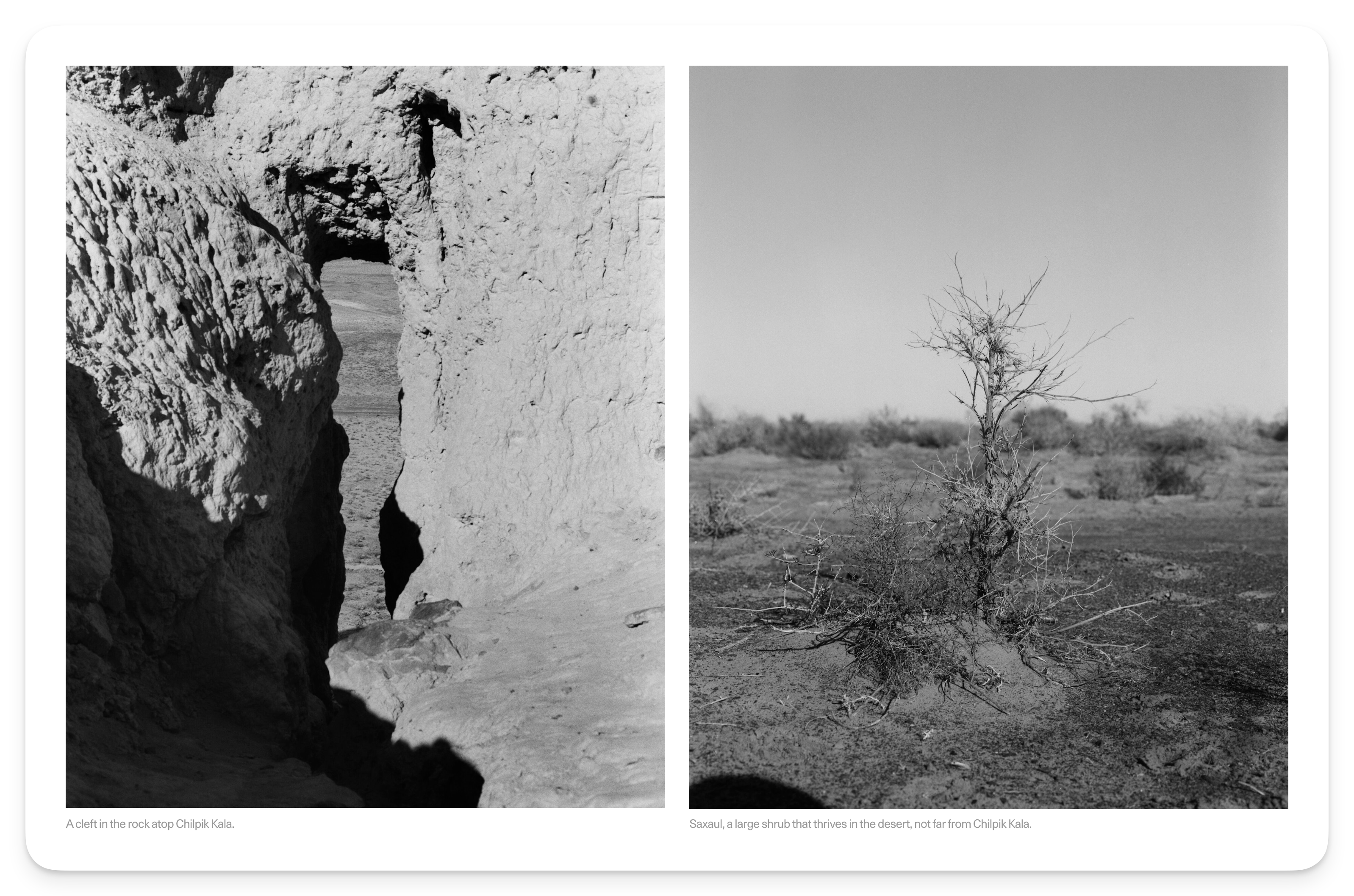
On a hill at the edge of the desert stands a wooden edifice above a simple tomb. It consists of four slanting poles that come together in a frame, inside of which are bundled sticks that resemble kindling. It seems a puzzling marker for a grave until you learn the legend of whose body lies inside: Gayōmart, the first human, neither woman nor man, who was created from mud by the Zoroastrian god Ahura Mazda. Zoroastrians venerate fire, so the structure makes sense. It is a symbolic beacon waiting for its flame.
Huge if True—Dark Energy Doesn't Exist, Claims New Study on Supernovas
By looking at light from distant exploding stars called supernovas, in 1998 astronomers discovered the universe isn't just expanding—its expansion is speeding up. But what's behind this acceleration?
Enter dark energy. It's one of the most debated and intriguing missing puzzle pieces of modern physics—a mysterious form of energy believed to uniformly permeate all of space. In the current most accepted model of modern cosmology, dark energy is what drives the accelerated expansion of the universe.
But what if there's another explanation that doesn't involve dark energy? A recent study using data from supernovas hints there might indeed be one, and it's called the Timescape model.

Broomgate
"Broomgate" also known as brushgate, was a technology doping controversy in the sport of curling during the 2015–16 season. It was caused by the result of new brush head technologies and sweeping techniques that dramatically altered how the game was played that season. It resulted in a World Curling Federation summit to regulate and standardize brushes in the sport.
Mastodon’s Founder Cedes Control, Refuses to Become Next Musk or Zuckerberg
Mastodon announced Monday that it's shifting its structure over the next six months to become wholly owned by a European nonprofit organization—"affirming the intent that Mastodon should not be owned or controlled by a single individual."
This takes control of the social network away from its previous "ultimate decision-maker," Eugen Rochko. As founder, Rochko initially took the reins to ensure the decentralized platform would never be for sale and "would be free of the control of a single wealthy individual." His grand vision remains to leave Mastodon users in control of the social network, making their own decisions about what content is allowed or what appears in their timelines.
How Much Economic Growth From AI Should We Expect, How Soon?
General-purpose technology revolutions have been the fundamental driver of human prosperity in the last 300 years. That these revolutions have raised the living standards of billions of people would surely indicate that, on the arrival of a new general-purpose technology, the forces for adoption must cause the world to change very quickly. But this could not be further from the truth!
The first commercial power station was built in 1882, and it was not until 1920—nearly four decades later—that electricity surpassed steam as the dominant form of horsepower in the US economy. In similar fashion, the microprocessor was released in 1971, but in 1990, just 20 million personal computers were sold. Among households, the pattern was consistent: reaching 50% adoption of electric lighting and a PC for the family, both took 30 years.
Europe Enters Its Metal Era
This month, Trump entered into formal talks with Russia—without Kyiv’s consent—to settle the war in Ukraine, largely on Putin’s terms. And on Friday, speaking with Zelensky in the Oval Office, he and his Vice President JD Vance performed as imperial overlords dressing down their upstart vassal. For Europeans, the once unthinkable prospect of an American departure from Europe has become a palpable possibility. The question on their minds: Can the European Union survive without the transatlantic military alliance that was famously created seventy-five years ago to, in the words of its founding Secretary General, “keep the Germans down, the Russians out, and the Americans in”?