

A weekly collection of links to interesting things curated by Colin Wright.
Passport Photos
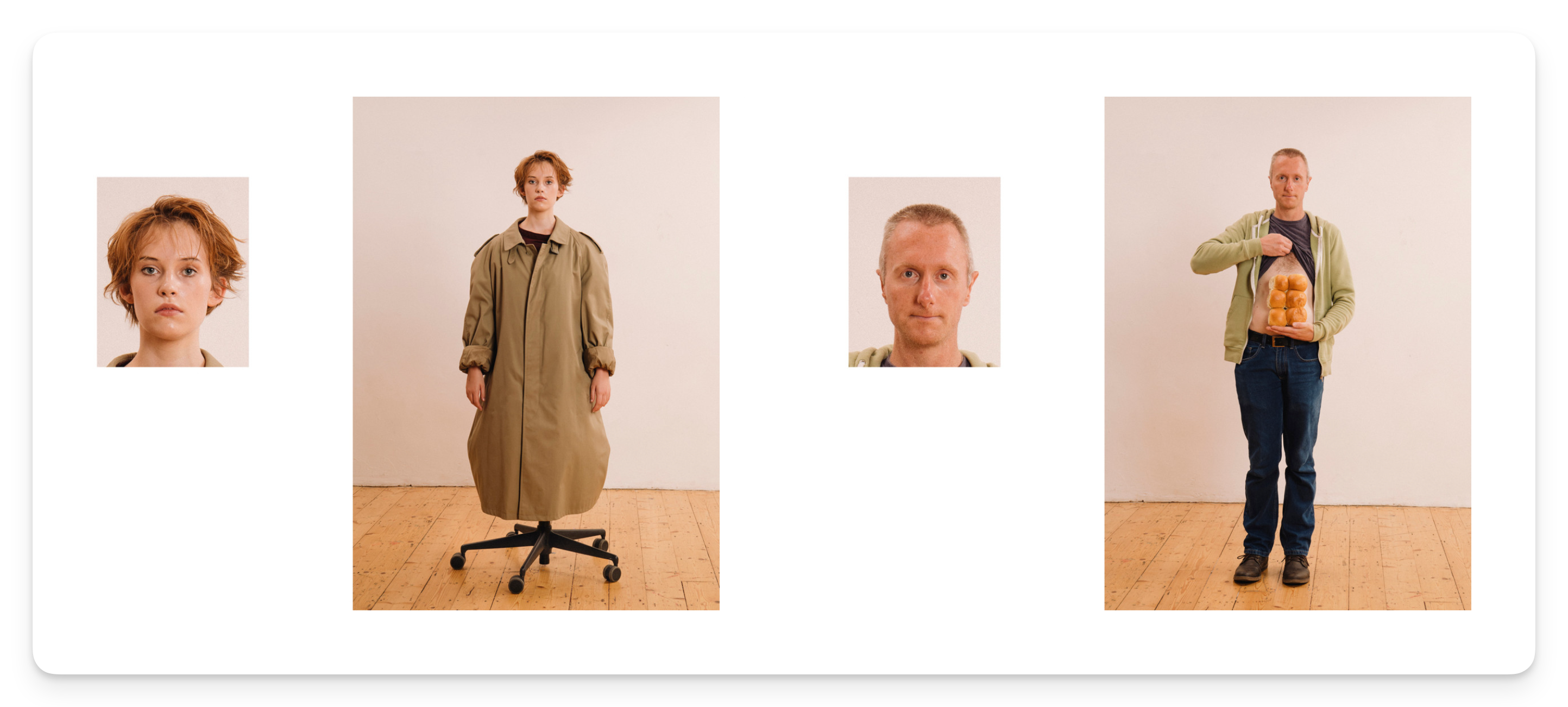
“Passport Photos” looks at one of the most mundane and unexciting types of photography. Heavily restricted and regulated, the official passport photo requirements include that the subject needs to face the camera straight on, needs a clear background without shadow, no glare on glasses and most importantly; no smile.
It seems almost impossible for any kind of self-expression.
The series tries to challenge these official rules by testing all the things you could be doing while you are taking your official document photo.

The Argonaut Octopus Has Mastered The Free Ride
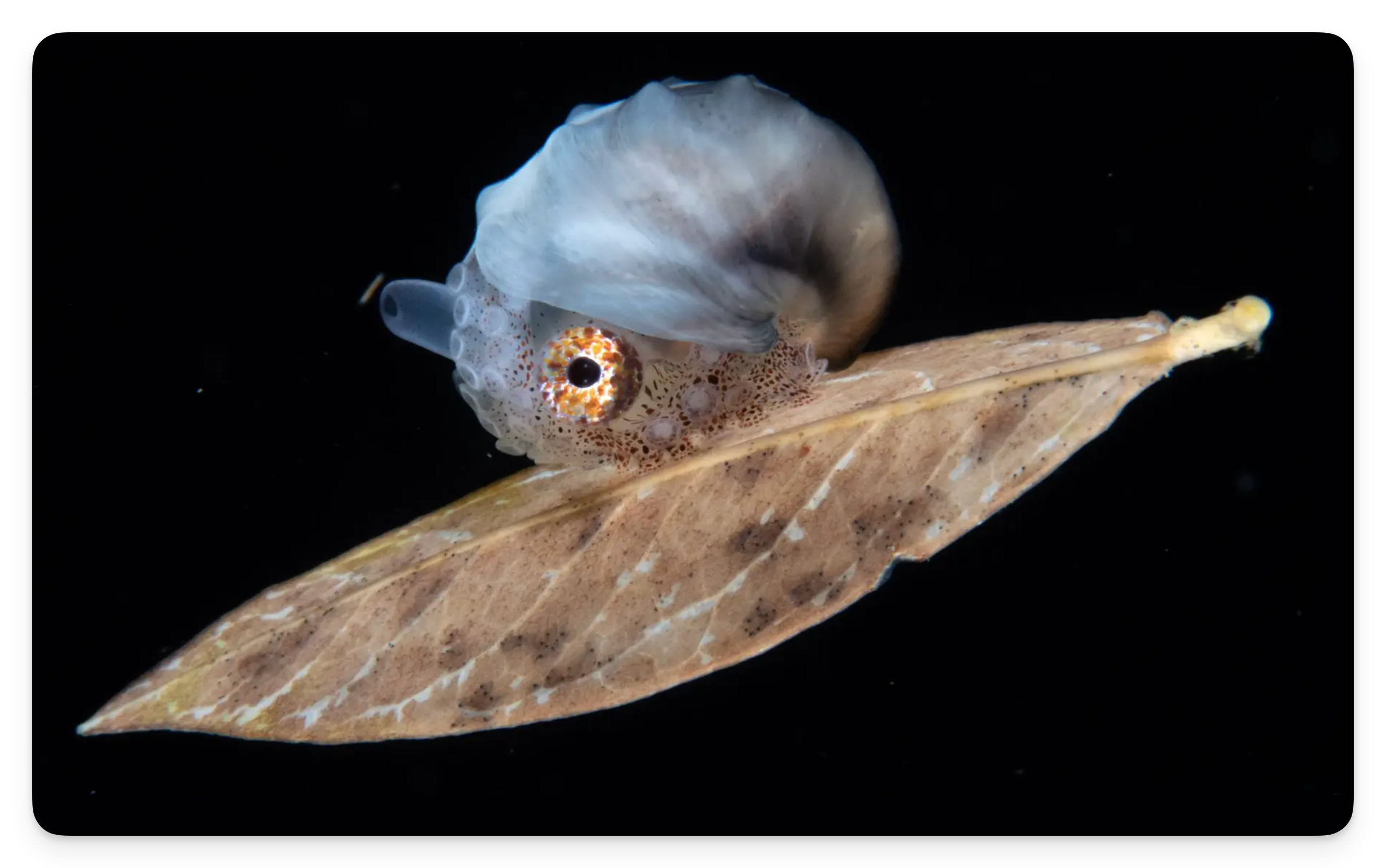
Although most octopuses live near the ocean floor and its ample hiding places, argonauts spend their entire lives sailing in the open ocean, just below the surface. This lifestyle has rendered the small cephalopods rather elusive to the scientists who wish to study them. "Most observations on argonauts are opportunistic," Roger Villanueva, a marine biologist at Spain's Institute of Marine Sciences (CSIC), wrote in an email. In many of these serendipitous observations, argonauts are spotted clinging to some kind of substrate, such as a twig of driftwood or some gelatinous creature. But a traditional sampling net cannot capture these associations; the turbulence of retrieval will separate an argonaut from its trusty steed or entangle it randomly with another.
Henry Trigg And The Coffin in The Roof
For centuries, physicians and scientists have dissected human bodies to understand human anatomy, with a steady supply of cadavers often sourced from executions. In medieval times, numerous people were executed even for minor crimes, offering medical students and surgeons a reliable supply. But as justice methods softened and executions declined, medical schools began facing a severe cadaver shortage. This scarcity fuelled the rise of “resurrectionists” — grave robbers who dug up newly buried corpses to sell to anatomy schools.
In response, cemeteries adopted extreme measures: they hired guards, installed traps, and even encased graves in cages to thwart would-be body snatchers. Others temporarily housed bodies in “mort houses” until decomposition rendered them unusable to thieves.
The Rise and Fall of Cryptocurrency in Nigeria
Normally, cryptocurrencies are introduced to the public with a “whitepaper,” a public document detailing information about the asset, its founders, the team that programmed it and other technical details that may help potential investors make informed decisions. For Timeless Davido, however, there was little information about the cryptocurrency available outside of social media. Appearing on live audio discussions on X (formerly Twitter), the pop artist pitched the dream of a $30 million market capitalization for the cryptocurrency to his over 15 million followers.
US Startup Charging Couples to ‘Screen Embryos for IQ’
A US startup company is offering to help wealthy couples screen their embryos for IQ using controversial technology that raises questions about the ethics of genetic enhancement.
The company, Heliospect Genomics, has worked with more than a dozen couples undergoing IVF, according to undercover video footage. The recordings show the company marketing its services at up to $50,000 (£38,000) for clients seeking to test 100 embryos, and claiming to have helped some parents select future children based on genetic predictions of intelligence. Managers boasted their methods could produce a gain of more than six IQ points.
Experts say the development represents an ethical minefield.
Keeping People Alive in the Hottest Place on Earth
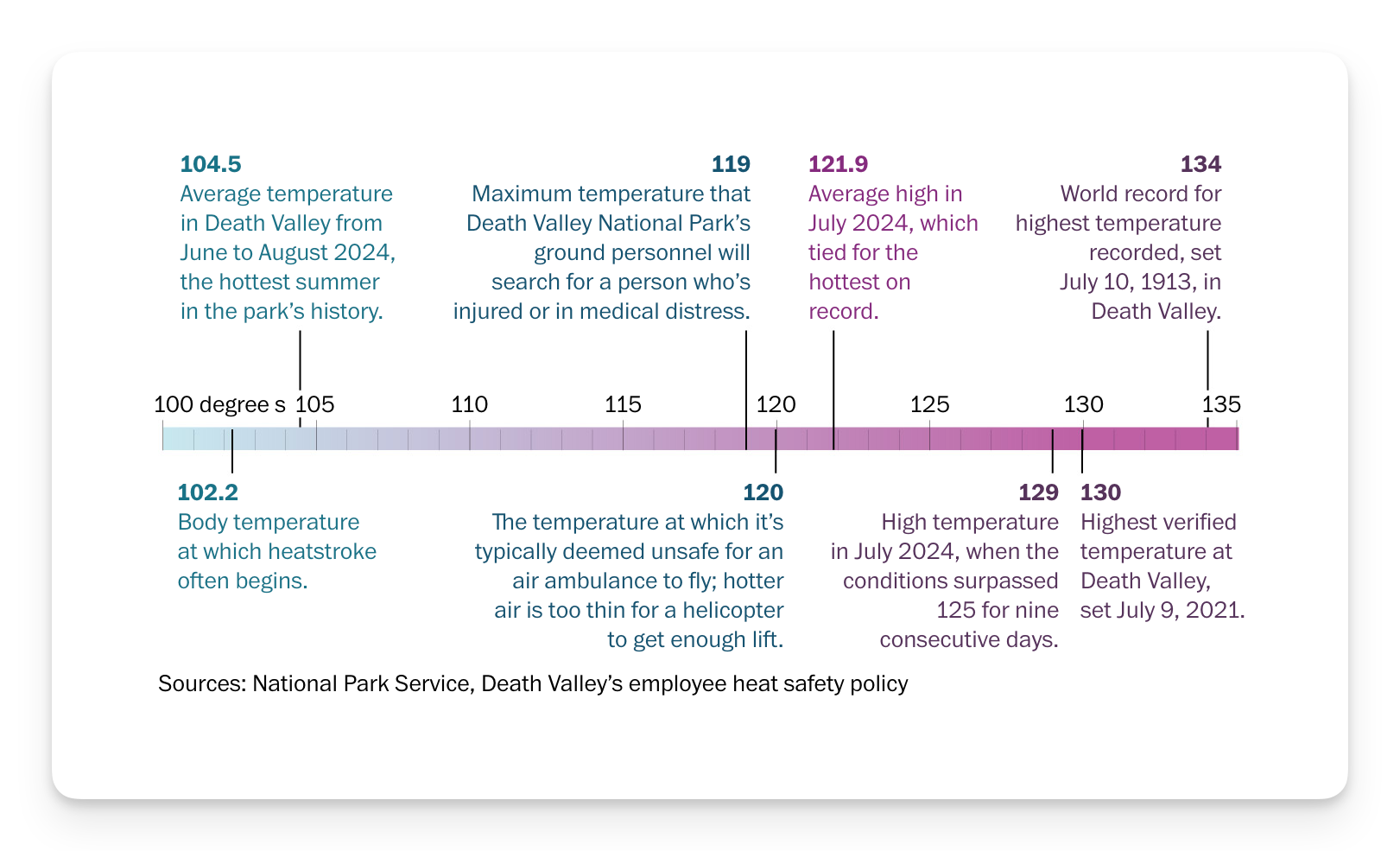
In the contiguous United States’ largest, driest and most barren national park, the heat isn’t something visitors fear. It’s part of the draw. Of the quarter-million people who visited Death Valley this past summer, many of them Europeans fascinated because of 19th-century pulp novels, thousands ignored posted warnings and ventured on and off dedicated trails: hiking, biking and exploring amid a burgeoning phenomenon known as “heat tourism.”
And they got what they came for.
World Bank Announces Record $100bn Support for World’s Poorest Countries
The World Bank has announced that it has raised close to $24bn to provide loans and grants for some of the world’s poorest nations, which it can leverage to generate a record $100bn in total spending power.
Donor countries committed $23.7bn to replenish the bank’s concessional lending arm, known as the International Development Association (IDA), a World Bank spokesperson told the AFP news agency, marking a slight increase from the roughly $23.5bn pledged during the last fundraising round three years ago.