

A weekly collection of links to interesting things curated by Colin Wright.
The Disney Filmmaking Process
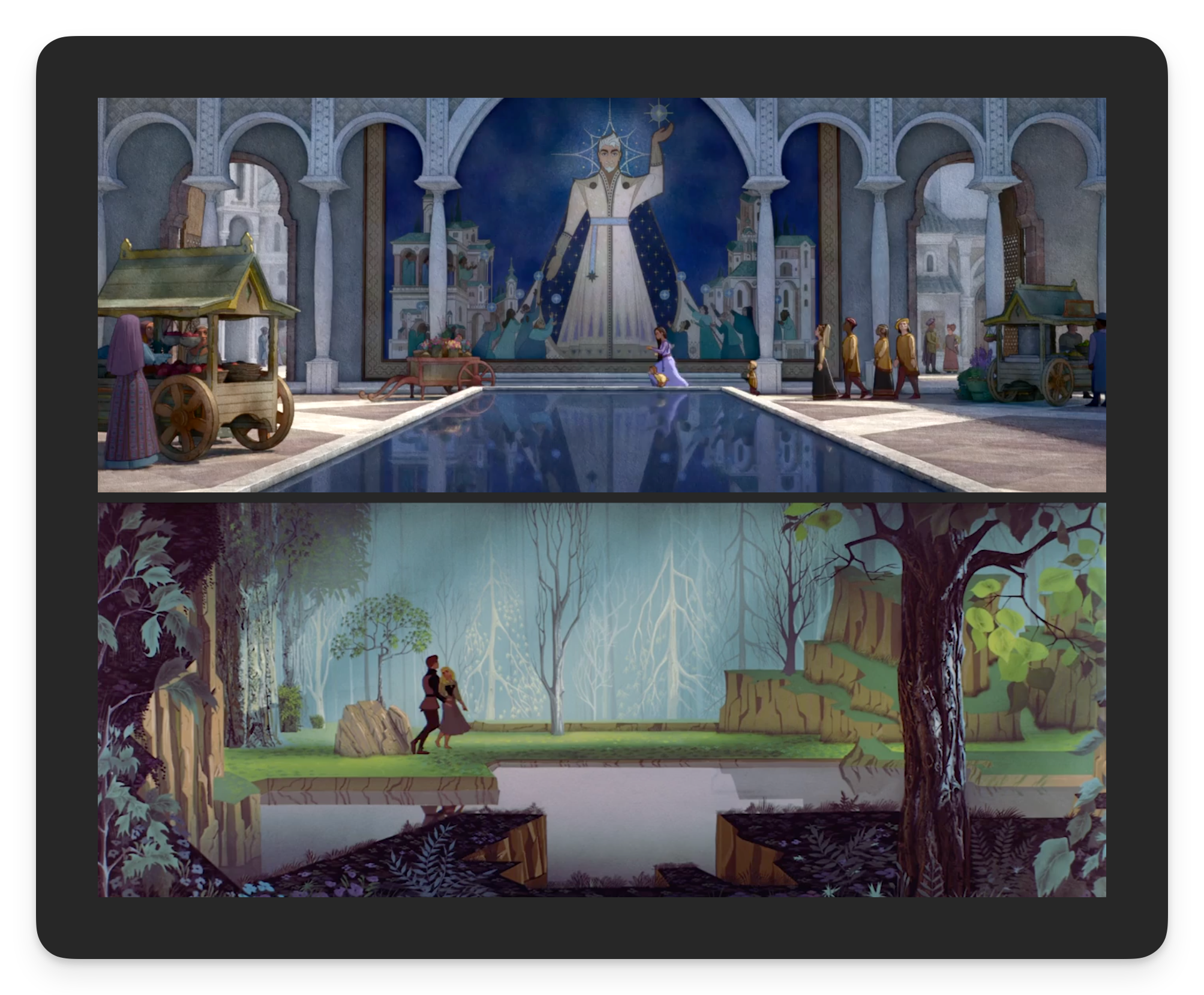
The watercolor storybook look of Wish harkens to the past and speaks to the future.
The fairytale illustration styles of many Disney artists, including Gustaf Tenggren and Kay Nielsen, inspired the unique style of Wish.
Technical innovations developed within our shorts made the unique look of Wish possible.
Shorts, such as Paperman, Feast, and Far From the Tree, have always and continue to be a place for experimentation.

One Man’s Quest to Restore the First-Ever Air Force One
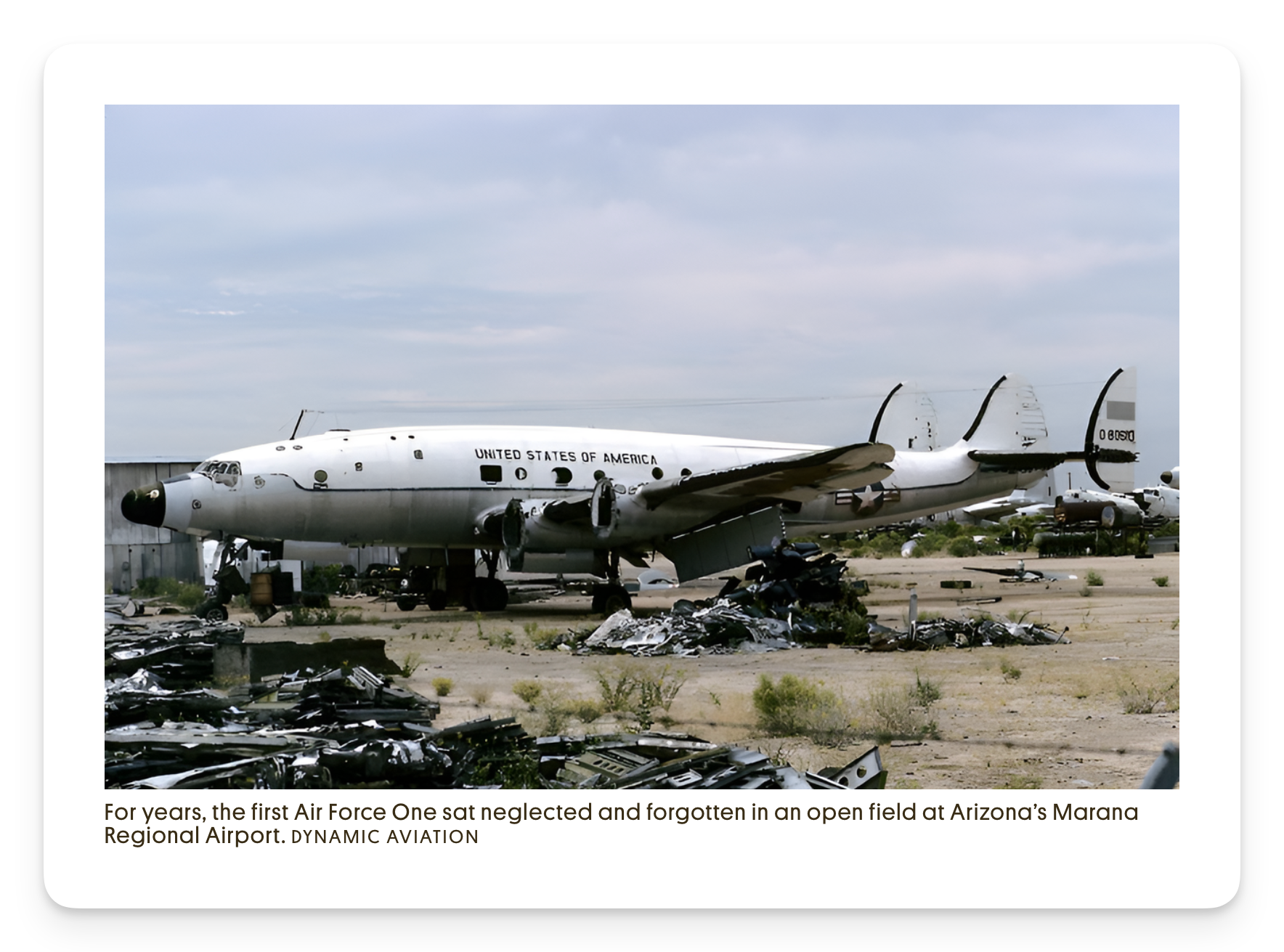
The 100-foot-long and 132-foot-wide, four-propeller plane could hold about 16 passengers, was piloted by a crew of five, and staffed with two or three attendants. Its elegantly tapered fuselage was shaped like a bottlenose dolphin and had thousands of mirror-polished aluminum panels in addition to the hand-painted word “Columbine” arched above a blossoming blue and white flower.

The Disobedient Children of Monsters
When her father was arrested, Analía Kalinec visited him diligently. It was all a mistake, he assured her; he would be released soon. But months and years passed while the investigation continued, and she began to have doubts. If this was all a misunderstanding, why was her father still in prison? She started to learn more about the historical context: about the dictatorship, and the disappearances, and the murders.
Brookfield’s Plan to Turn Malls Into Minicities Falls Short
Brookfield Property Partners spent billions in 2018 to assume full ownership of mall-owner GGP when malls were out of favor on Wall Street. Executives at the firm defended this contrarian bet in part by saying that they would turn most of the company’s 125 malls into minicities with residences, offices or hotels as well as stores.
Six years later, only two malls, in Atlanta and near Seattle, have been redeveloped in this way, with another two—in North Carolina and Denver—in the pipeline.
The slow pace of its redevelopment efforts shows how difficult, expensive and time consuming it is to revamp enclosed malls.
Inside Netflix’s Bet on Advanced Video Encoding
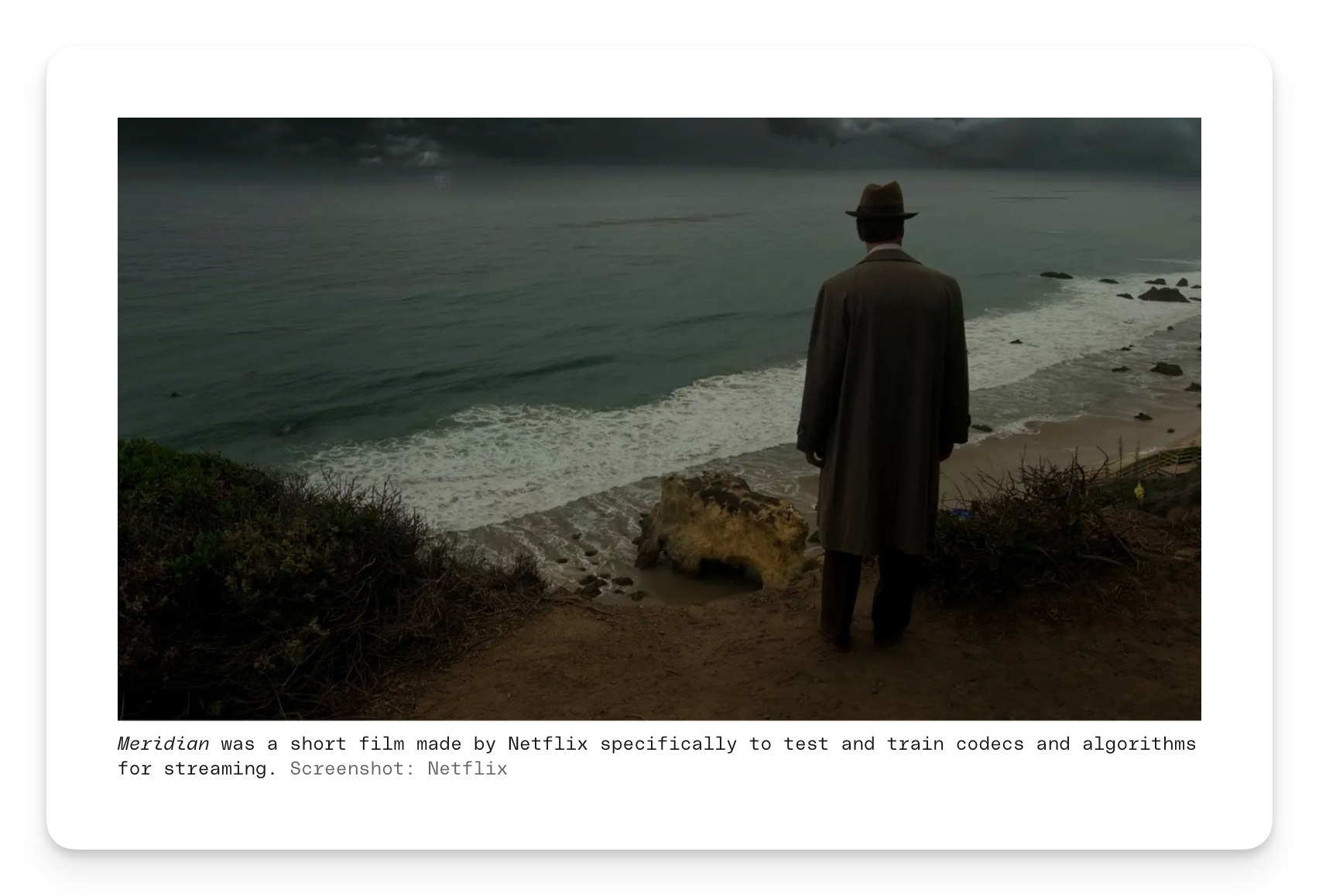
Aaron has spent the past 13 years optimizing the way Netflix encodes its movies and TV shows. The work she and her team have done allows the company to deliver better-looking streams over slower connections and has resulted in 50 percent bandwidth savings for 4K streams alone, according to Aaron. Netflix’s encoding team has also contributed to industrywide efforts to improve streaming, including the development of the AV1 video codec and its eventual successor.
Laundering Carbon and the New Scramble for Africa
In early November 2023, shortly before the COP28 summit opened in Dubai, a hitherto obscure UAE firm attracted significant media attention around news of their prospective land deals in Africa.
Reports suggested that Blue Carbon—a company privately owned by Sheikh Ahmed al-Maktoum, a member of Dubai’s ruling family—had signed deals promising the firm control over vast tracts of land across the African continent. These deals included an astonishing 10 percent of the landmass in Liberia, Zambia and Tanzania, and 20 percent in Zimbabwe. Altogether, the area equaled the size of Britain.
U.S. Battery Rush Spurs $1.4 Billion Sodium-Ion Factory in North Carolina
Natron’s batteries are coveted because they use sodium instead of lithium, which is expensive to produce and notoriously volatile in price. They also avoid troublesome metals such as cobalt and rare earths that pose supply-chain and human-rights risks to big battery users. The technology is less fire-prone and can operate in colder climates, proponents say.
Natron’s factory in eastern North Carolina’s Edgecombe County follows an initial plant in Michigan that began making batteries for customers in April. The new facility will increase the company’s production capacity by about 40 times.