

A weekly collection of links to interesting things curated by Colin Wright.
Visualizing The Sounds of Planet Earth
We have a collection of found sounds that we’ve gathered from travels around the world. They are a snapshot of time and place, bottled up and saved.
In a similar fashion, this brilliant series captures sound from all manner of beautiful places around the globe.
But in addition, they’ve created stunning visualizations of those sound waves, making the place come alive with your eyes, as well as your ears.

The Diabolical World of Phone Scams
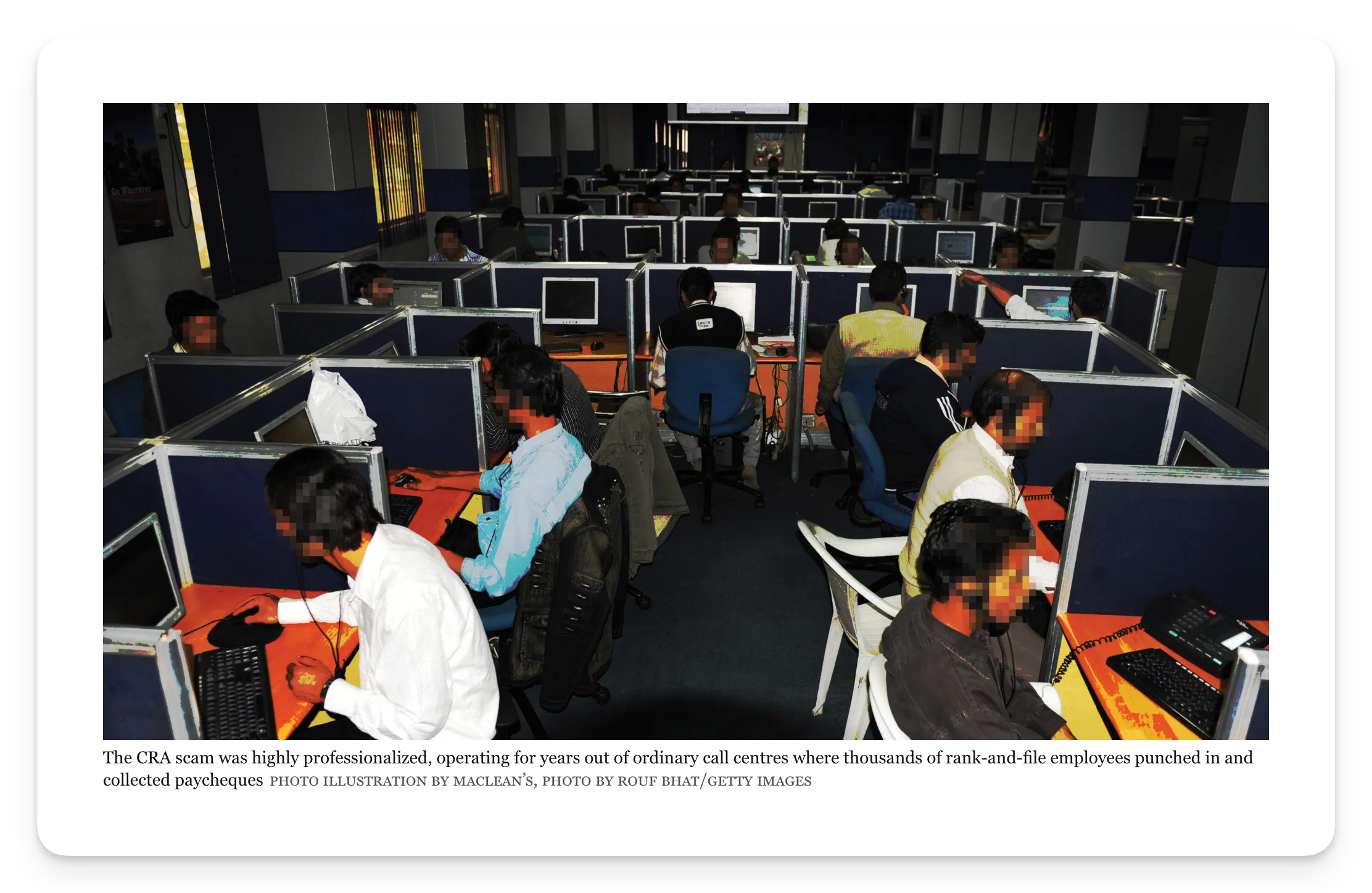
Of course, neither Richard nor Mark worked with any bank or police service. When they called Evelyn, they were almost certainly located thousands of kilometres from Canada, in an office somewhere on the outskirts of Delhi or Mumbai. Their workspace would have been familiar to cubicle dwellers the world over: a bland greige palette, an unrelenting fluorescent glare, the low din of phone chatter. Along with thousands of other workaday con artists, hired for their English proficiency, the pair were employees of a criminal network. It was responsible for what came to be known as the CRA scam, which police now believe is the largest fraud operation ever perpetrated against the Canadian public. It earned its name due to the best-known of the many ruses its perpetrators employed: tricking targets into believing they owed unpaid taxes, which they often dutifully paid.
As Wall Street Chases Profits, Fire Departments Have Paid the Price
Desperate to gain control of flames that were raging through Pacific Palisades last month, the Los Angeles Fire Department issued an urgent call for any available personnel to report for possible deployment.
But there was a problem: Dozens of the rigs that would have carried extra crews that day were out of service. The city maintenance yard was filled with aging fire engines and ladder trucks, many of which were beyond their expected service life.
Health Insurers Deny 850 Million Claims a Year, the Few Who Appeal Often Win
After three years of doctors’ visits and $40,000 in medical bills didn’t cure their daughter’s rare condition, April and Justin Beck found a specialist three states away who offered a promising treatment.
They set out before dawn last spring for the nine-hour drive to Arkansas Children’s Hospital in Little Rock, where Dr. Aravindhan Veerapandiyan explained how infusions of antibodies could help Emily, now 9 years old, and her misfiring immune system.
They returned home with an appointment to start the infusions. But the Becks’ insurer, UnitedHealthcare, declined to pay for a treatment it said wasn’t medically necessary.
They decided to fight back. “I really had no idea it was going to be this hard,” April Beck said.
Reclaiming Hope for Alternative Futures
Indeed, the late Mark Fisher, in his book, Capitalist Realism argued, pretty compellingly, that this cavernous imagination gap is a very function of the paradigm itself. He argues that capitalism’s particular confluence of neoliberalism and postmodernism creates such a powerful mix of disorientation, societal depression and consumerist escapism that it ultimately resigns us to the belief that nothing else is possible. This cultural myopia, Fisher argues, clouds our collective imagination so greatly that it prevents us building the kind of solidarity we need to replace capitalism with a different social, economic and political future to the one we’re currently living in. The particular late-stage neo-liberal capitalist paradigm of today, he argues, could be harder to shift than any other in history.
AI Models Miss Disease in Black and Female Patients
Compared with the patients’ doctors, the AI model more often failed to detect the presence of disease in Black patients or women, as well in those 40 years or younger. When the researchers looked at race and sex combined, Black women fell to the bottom, with the AI not detecting disease in half of them for conditions such as cardiomegaly, or enlargement of the heart. These disparities persisted when the team tested CheXzero using four other public data sets of chest x-rays from other regions, including Spain and Vietnam.
A New Spy Unit Is Leading Russia’s Shadow War Against the West
Russia’s spy services have a shadowy new unit taking aim at the West with covert attacks across Europe and elsewhere, Western intelligence officials say.
Known as the Department of Special Tasks, it is based in the Russian military-intelligence headquarters, a sprawling glass-and-steel complex on the outskirts of Moscow known as the aquarium. Its operations, which haven’t been previously reported, have included attempted killings, sabotage and a plot to put incendiary devices on planes.