

A weekly collection of links to interesting things curated by Colin Wright.
The Sticky History of Baklava
“The dessert consists of fine layers of pastry dough, often filled with nuts and sweetened with syrup or honey. “Baklava is made by thinning the dough to a fine micro-degree, and by putting 10 or 11 layers on top of each other by hand,” says Güllü. It is not a process conducive to automation. “It’s truly a craft. It requires a long education to be able to roll out baklava dough so thin.””
The Anatomy of a Facebook Account Heist
“essica Sems was on Facebook at 2 am when hackers struck in a series of attacks. First, she was locked out. Then, her account data — photos, posts, even her name — were all gone. Within a few minutes, the entire profile looked like it belonged to celebrity portrait photographer Jerry Avenaim.
Feeling overwhelmed, Sems logged in to Netflix instead, only to realize she’d been locked out of that too. When she called customer support, Netflix said they had no record of her email address being associated with an account, despite her having been a Netflix customer for eight years. She was able to get back on Netflix after chatting with support for an hour, but as of late September, her Facebook account had still not been recovered since the initial hack six months earlier.
“For me, it’s more than the photos and memories,” said Sems, who lives in the Midwest and is in the midst of a custody dispute. “I need those messages to prove my husband should not have our children. Now, I don’t have a case. I’m lost now.””
10 Iconic Structures That Were Supposed to Be Temporary
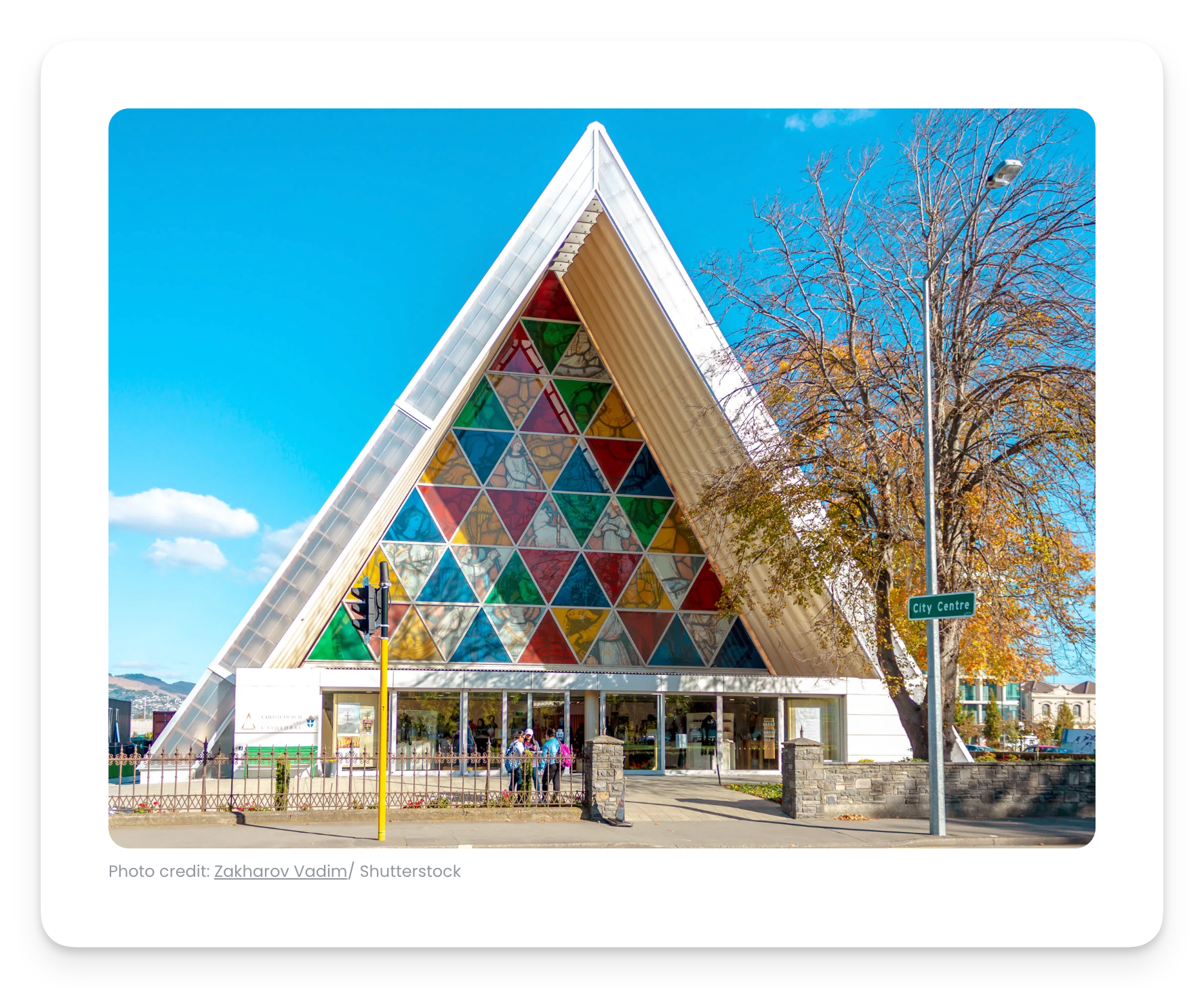
“When it was consecrated in 2013, the church, nicknamed the “Cardboard Cathedral,” became a symbol of the city’s resilience and willingness to rebuild and move forward. After 10 years of indecision, the archdiocese has finally decided to rebuild the Christ Church Cathedral, and so the future of the Cardboard Cathedral — never intended to last more than 50 years — is uncertain. Will the city shore up this tubular emblem of their rebirth and keep it alive past its expiration date?”
The Big Penis War
“Supersizing your penis does not come cheap. The 45-minute surgery costs $17,000, which patients must pay out of pocket, because health insurance companies consider it an elective procedure. Still, the device has become so popular, thanks partly to coverage in magazines such as GQ and Men’s Health, that physicians from around the country have made pilgrimages to Beverly Hills to train with Elist—a requirement for becoming an authorized Penuma surgeon.
Among them was Houston urologist Robert Cornell, who shadowed Elist in the operating room for a day, in March 2018. But Cornell never completed the training. Instead, he developed his own cosmetic penile implant, one intended to correct what he considered the Penuma’s deficiencies. He recruited a group of prominent Texas physicians to help design the device, which he called the Augmenta.”
24 Hours In An Invisible Epidemic
“In this story, we'll go through 24 hours of a typical weekend day in 2021. We know what people did – and who they did it with – because, since 2003, the American Time Use Survey has asked people to track how they use their time.
By the end of the day, we'll learn that Martin's isolation isn't unique. In fact, loneliness has become a far more common experience in the last few decades – and it was supercharged by the pandemic.”
“What Is the Natural Enemy of a Duck?”
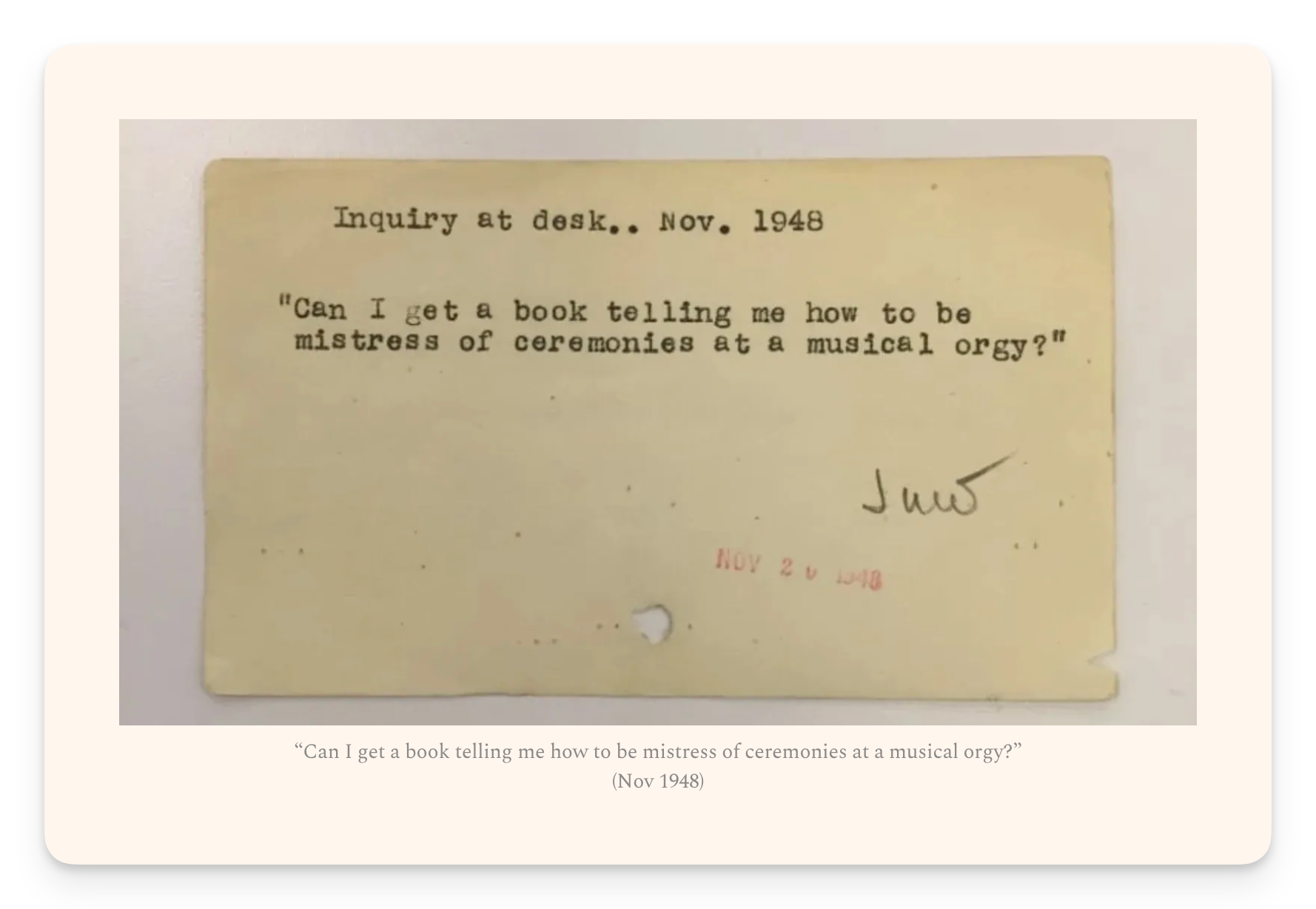
“There was a time, not that long ago, when finding an answer to a burning question required more than a few taps on a keyboard and a wait of a split-second. You had to make an effort, and sometimes human interaction was required. A decade ago, staff at the New York Public Library unearthed an old box of cards, each one bearing a question from an extremely offline member of the public—questions people actually took the time to ask a librarian either in person or over the telephone. Below are just a few. They range from the amusing to the misinformed, and although it’s easy to laugh at these, and I really did chuckle at a few, it’s worth imagining the embarrassment if your Google search history was printed out and laid bare for all to see. The thought of it brings me out in a cold sweat.”
In Defense of the Rat
“In 1522, “some rats of the diocese” of Autun, France, were charged with criminally eating and destroying barley crops. A skilled legal tactician, one Barthélemy de Chasseneuz, was assigned to defend the rats.
The case is remembered for its procedural twists and turns. When his clients—guess what?—didn’t show up for their day in court, de Chasseneuz noted that the summons had mentioned only “some rats.” But which ones, specifically? The court ordered that a new summons be addressed to all the rats of Autun. When the rodents still failed to appear, their nimble lawyer had a second defense at the ready. His clients, he said, were widely dispersed, and for them the trip to court amounted to a great journey. The rats needed more time.”