A weekly collection of links to interesting things curated by Colin Wright.
Why the World’s First Pet Cemetery Was Revolutionary
When a little Maltese named Cherry died of old age in 1881 at home in London, the dog’s owners were at a loss for what to do with the remains. At that time in the city, there were only a few options for disposing of a deceased pet’s body: throw it into the River Thames, toss it out with the rubbish or take it to a rendering plant to be turned into glue or fertilizer.
None of these options was acceptable to Cherry’s family, so they did something unheard of: They asked the gatekeeper of nearby Hyde Park, known as Mr. Winbridge, if they could bury their dog in his cottage’s garden, next to the park’s Victoria Gate entrance.
First Clean Water, Now Clean Air
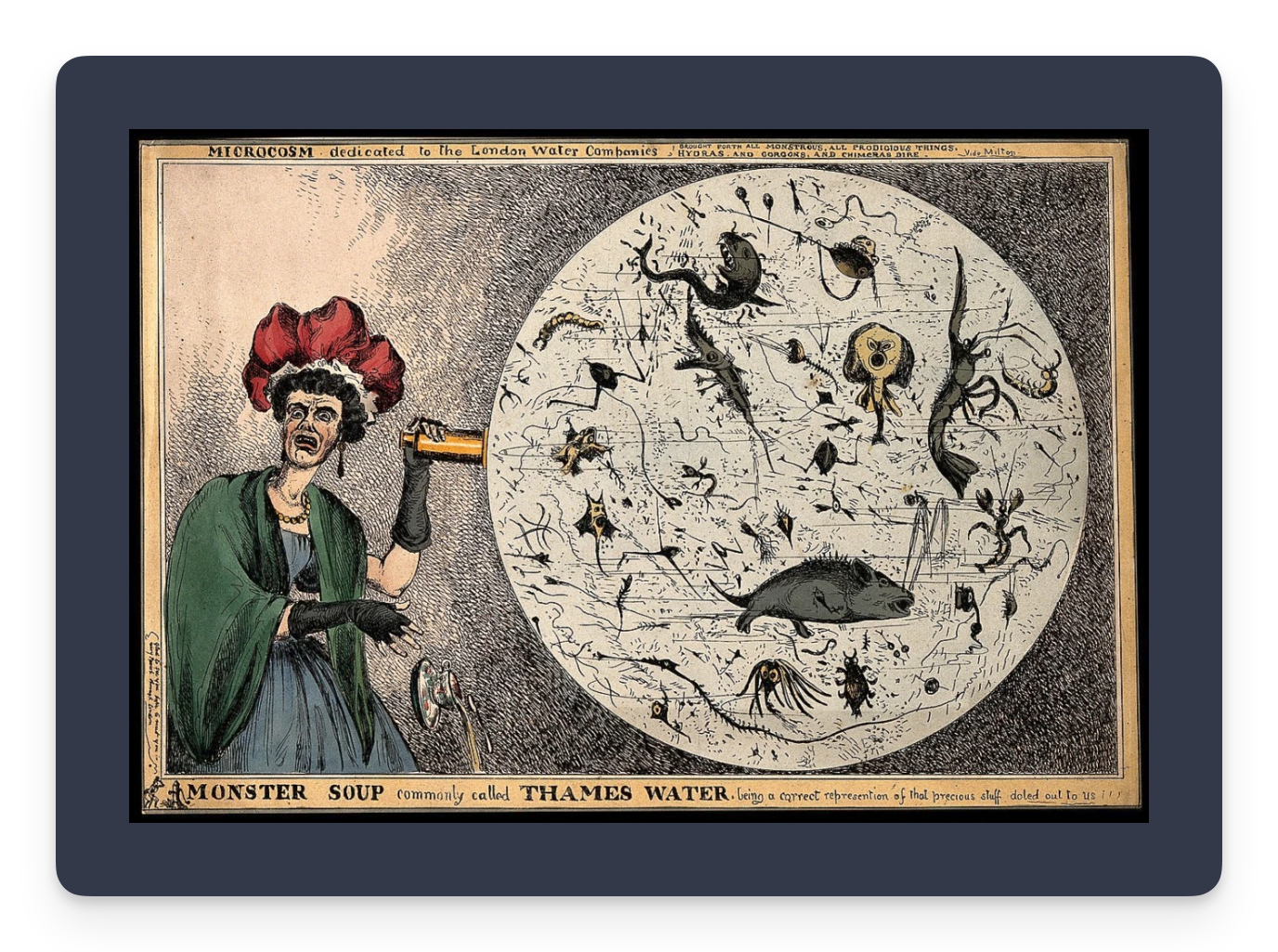
In the mid 19th century, London had a sewage problem. It relied on a patchwork of a few hundred sewers, of brick and wood, and hundreds of thousands of cesspits. The Thames — Londoners’ main source of drinking water — was near-opaque with waste.
How A Gas Compressor Station Works
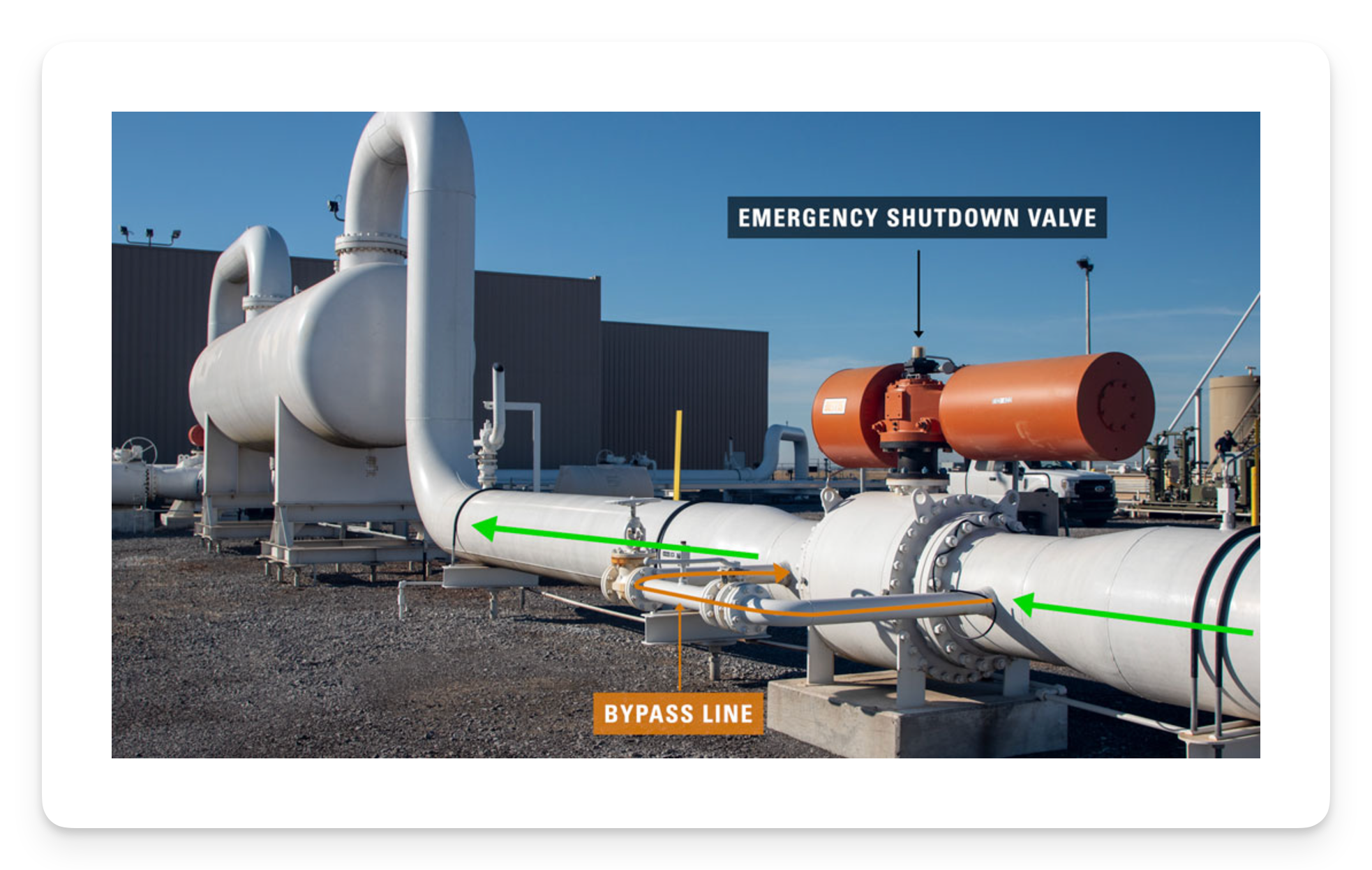
Next on the pipeline is an emergency shutdown valve, or ESD. If someone were to press an ESD button, or if the system were over pressure, this will shut-in the system.
In the event of an ESD closure, the bypass line will be used to slowly increase the pressure to resume operation, so the system is not pressurized too quickly during startup.
During regular operation, natural gas is coming into the station at 40-45 PSI. When leaving the station, the final pressure will be between 1250-1300 PSI.
Well-Endowed Beasts and Dildos to Match: Why Is Everyone So Into Fantasy P*rn Right Now?
Well, if you’re more into monsters than Mike Faist RN, you’re not alone. And if you recognise any of these fantastical characters, you’re likely already a follower (or at least a curious onlooker) of SmutTok — AKA the ‘spicy’ romance novel section of BookTok, TikTok’s book-loving community. BookTok and its smutty sister — both of which appear to be dominated by women — have been growing fairly steadily since the pandemic (at the time of writing, the latter hashtag has almost a million posts), but in recent months, it seems even your most, shall we say, traditional friends are getting in on the action.
Americans Are Using More Wireless Data and It’s Cheaper Than Ever
If you’ve tried to buy any kind of electronic good recently you’ve probably found a version that can connect to your phone and has an app that you need to download (which is usually terrible), with everything from smart watches, to smart light bulbs, to smart fridges, to self-driving cars now connected to the internet. Indeed, companies continue to produce connected versions of devices which, for years, functioned well without them.

Twenty Years After the Ballyhooed Discovery of Graphene, the Atom-Thin Carbon Sheets Are Finding Their Footing
NGI exists because graphene was first isolated a short walk away in a University of Manchester lab. Andre Geim and Konstantin Novoselov presented it to the world 20 years ago this month and later won a Nobel Prize for the work. Since its unveiling, billions of dollars of R&D funding have flowed to graphene, in a global race to exploit its peerless properties. It is better at carrying electricity than any metal, a superb heat conductor, and hundreds of times stronger than steel—selling points trumpeted in the marketing materials of universities and companies alike.
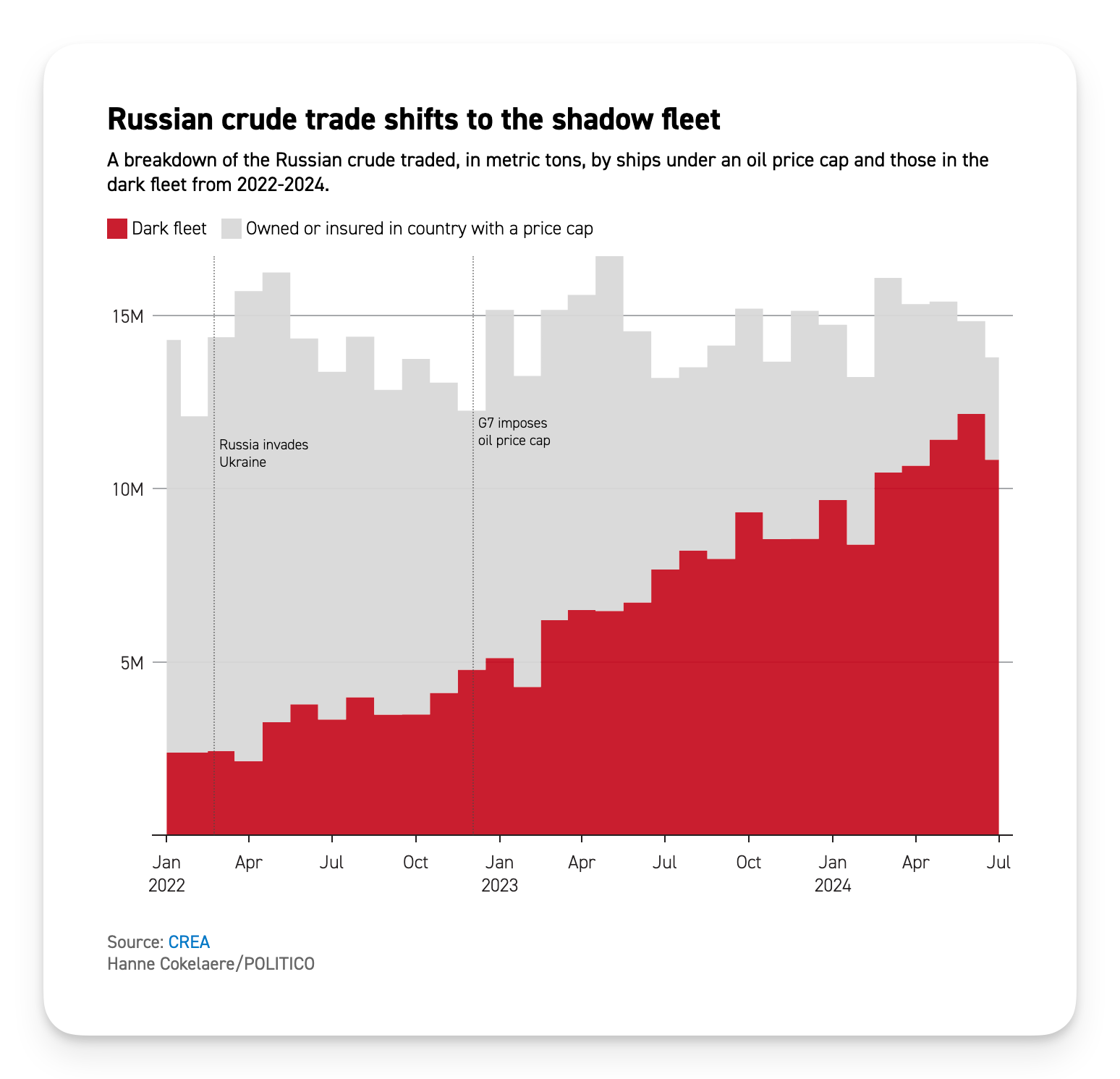
Putin's Sanctions-Busting Shadow Fleet Is Spilling Oil All Over the World
According to an internal analysis prepared by the coast guard’s satellite services and seen by POLITICO, the likely source of that stain was Innova, a tanker roughly the size of the Eiffel Tower that at the time was hauling 1 million barrels of sanctioned oil from Russia on its way to a refinery in India.
Yet the coast guard did little to investigate further, and the tanker — free from any repercussion — continues to trade oil today, helping fill the Kremlin’s war chest more than two years into its full-scale invasion of Ukraine.