A weekly collection of links to interesting things curated by Colin Wright.
Timeline of Historic Inventions
10,000 BC – 9000 BC: Agriculture in the Fertile Crescent
10,000 BC – 9000 BC: Domestication of sheep in Southwest Asia (followed shortly by pigs, goats and cattle)
9500 BC – 9000 BC: Oldest known surviving building – Göbekli Tepe, in Turkey
9000 BC – 6000 BC: Domestication of rice in China
9000 BC: Mudbricks (unfired bricks), and clay mortar in Jericho
8400 BC: Oldest known water well in Cyprus
The Dangerous Rise of Buddhist Extremism: ‘Attaining Nirvana Can Wait’
In the summer of 2023, I arrived in Dharamshala, an Indian town celebrated as the home of the Dalai Lama, the Tibetan spiritual leader. The place hadn’t changed much since my last visit almost two decades ago. The roads were still a patchwork of uneven asphalt and dirt, and Tibetan monks in maroon robes filled the streets. Despite the relentless hum of traffic, Dharamshala had a rare stillness. The hills seemed to absorb the noise. Prayer flags flickered in the breeze, each rustle a reminder of something enduring.
But beneath the surface, the Buddhism practised across Asia has shifted. While still widely followed as a peaceful, nonviolent philosophy, it has been weaponised, in some quarters, in the service of nationalism, and in support of governments embracing a global trend toward majoritarianism and autocracy.
How to Spot a Counterfeit Lithium-Ion Battery
As an auditor of battery manufacturers around the world, University of Maryland mechanical engineer Michael Pecht frequently finds himself touring spotless production floors. They’re akin to “the cleanest hospital that you could imagine–it’s semiconductor-type cleanliness,” he says. But he’s also seen the opposite, and plenty of it. Pecht estimates he’s audited dozens of battery factories where he found employees watering plants next to a production line or smoking cigarettes where particulates and contaminants can get into battery components and compromise their performance and safety.
Unfortunately, those kinds of scenes are just the tip of the iceberg. Pecht says he’s seen poorly assembled lithium-ion cells with little or no safety features and, worse, outright counterfeits. These phonies may be home-built or factory-built and masquerade as those from well-known global brands. They’ve been found in scooters, vape pens, e-bikes, and other devices, and have caused fires and explosions with lethal consequences.
AI Eats the World
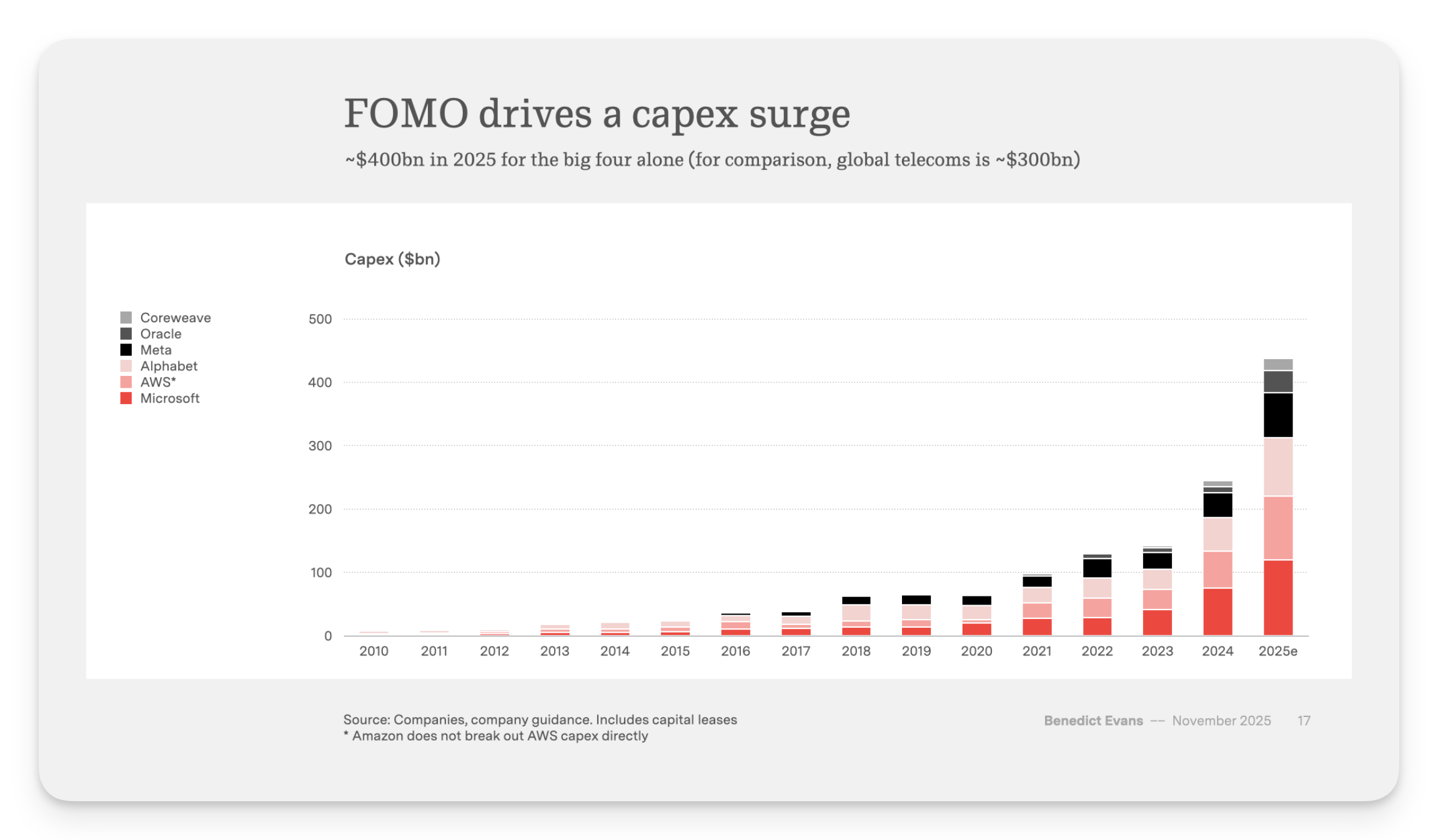
Twice a year, I produce a big presentation exploring macro and strategic trends in the tech industry.
New in November 2025, ‘AI eats the world’.
China Finds Buyers for Surplus Solar: Africa’s Energy-Hungry Countries
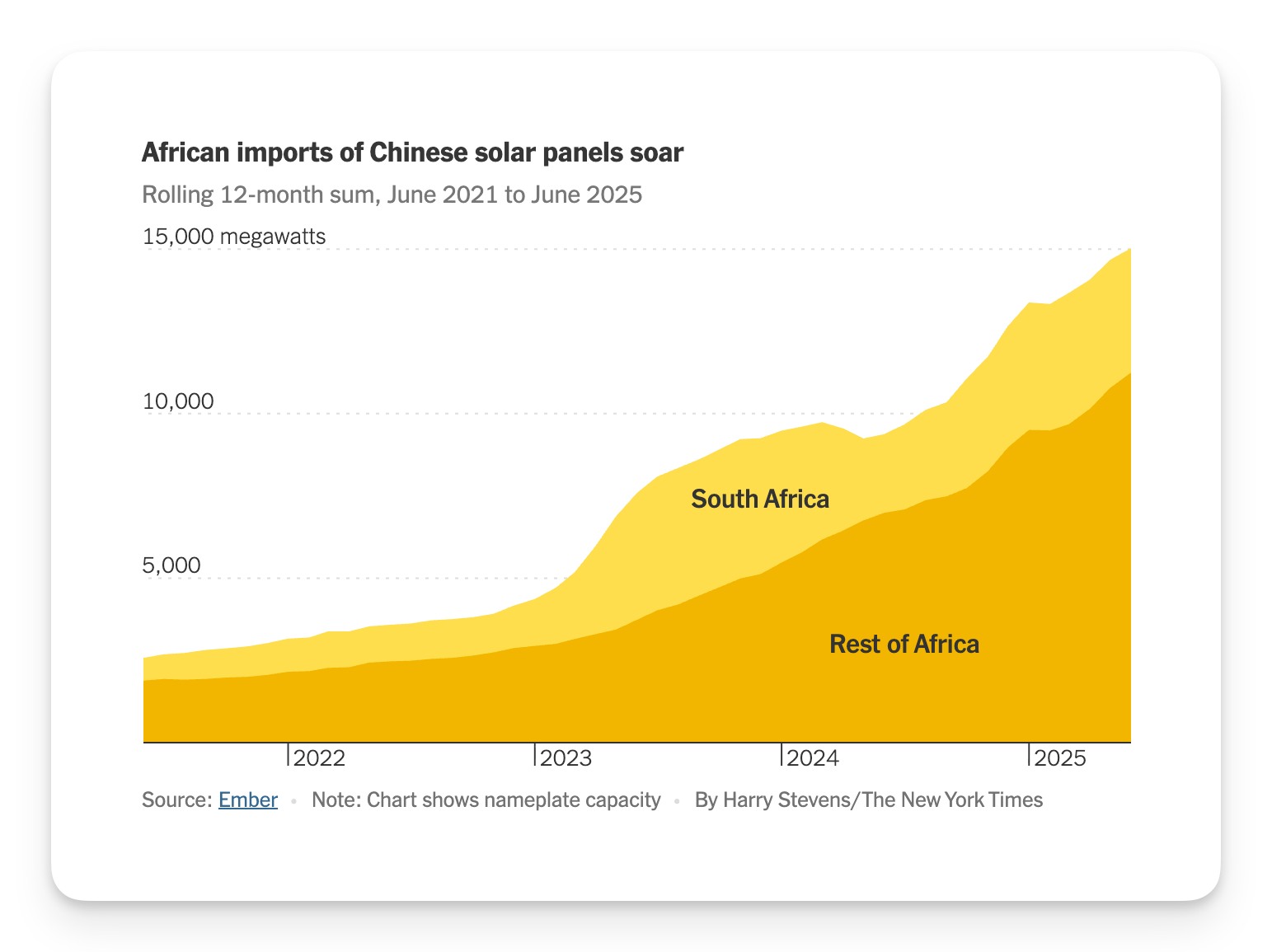
China’s solar exports to Africa are surging.
Over the course of the past year, Chinese companies shipped out solar equipment to a vast range of countries on the continent, according to an analysis of Chinese export data by Ember, an energy tracking group. Those exports added up to more than 15 gigawatts of solar capacity, which nearly doubles the estimated 20 gigawatts of capacity that was installed in 2023.
“The volume of solar panels imported over the past 12 months has the potential to significantly increase power generation in many African countries,” Ember’s report said.
It’s part of China’s global ascendance in the manufacture and sale of renewable energy technologies. Its companies make the vast majority of solar panels, along with the cells and wafers that go into them. Its influence in the world rests, in large part, on persuading people in the developing world that they can produce cheap electricity from the sun.
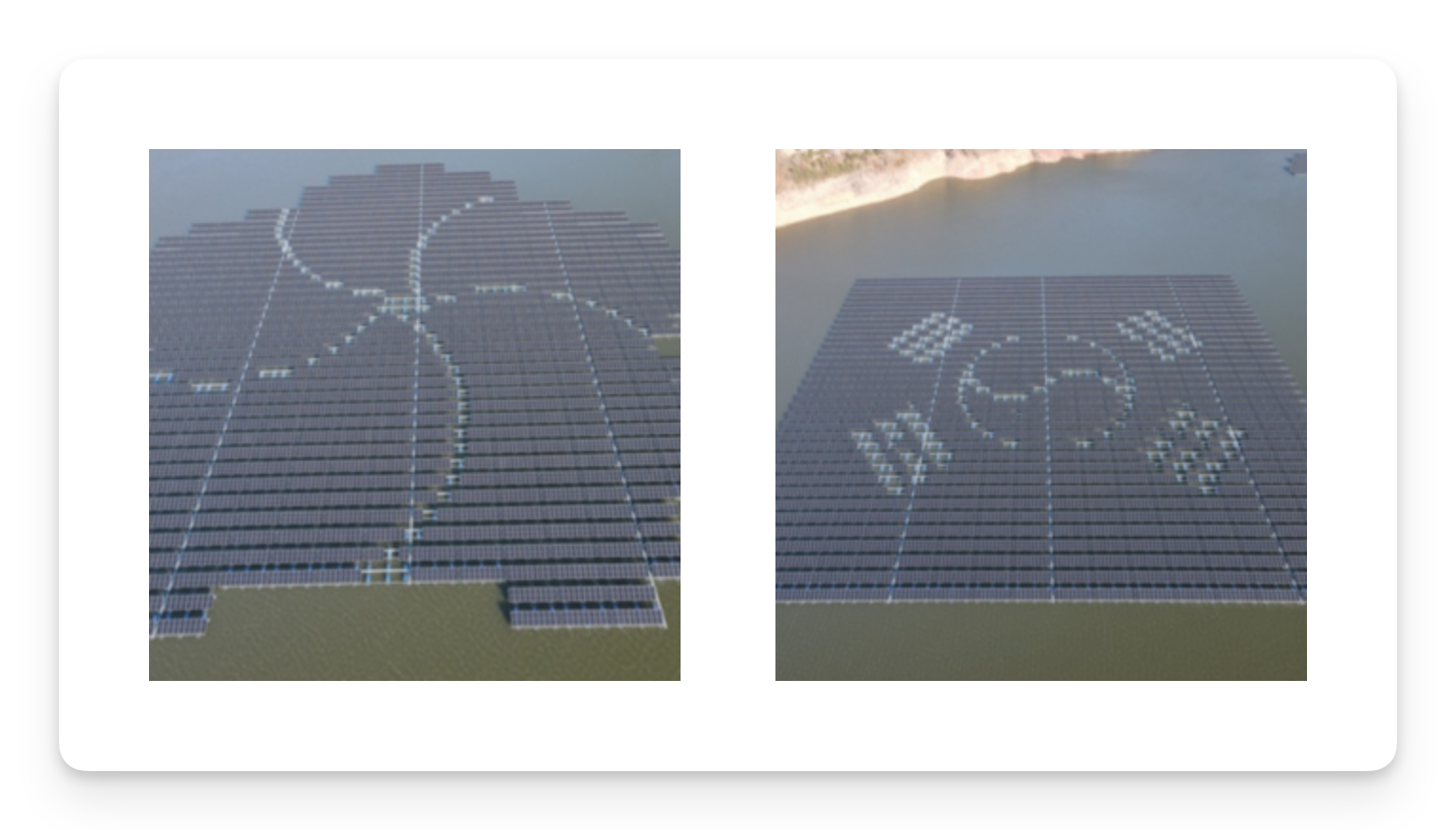
South Korea Switches on 47.2 MW Floating PV Project
The 47.2 MW Ihma Dam floating solar power plant has begun operating in South Korea.
Located at the Imha Dam east of the city of Andong in Gyeongsangbuk-do province, the solar array is the largest floating PV facility located alongside a multi-purpose dam in South Korea. The dam is home to a 50 MW hydropower station, allowing the complex to now alternate between transmitting floating solar power during the day and hydropower at night.
Plans to add the solar array to the dam first took shape in 2021, when the project was designated as South Korea’s first renewable energy integrated complex. Electricity business approval was secured in 2023 and construction of the solar system began last year. A completion ceremony was held in late September, with total project costs reaching KRW 73.2 billion ($50.2 million).