Cereal, Skiplagging, and LUCA

Quotes from recent reads, four for everyone and another four for paid AG supporters.
All Life on Earth Today Descended From a Single Cell. Meet LUCA
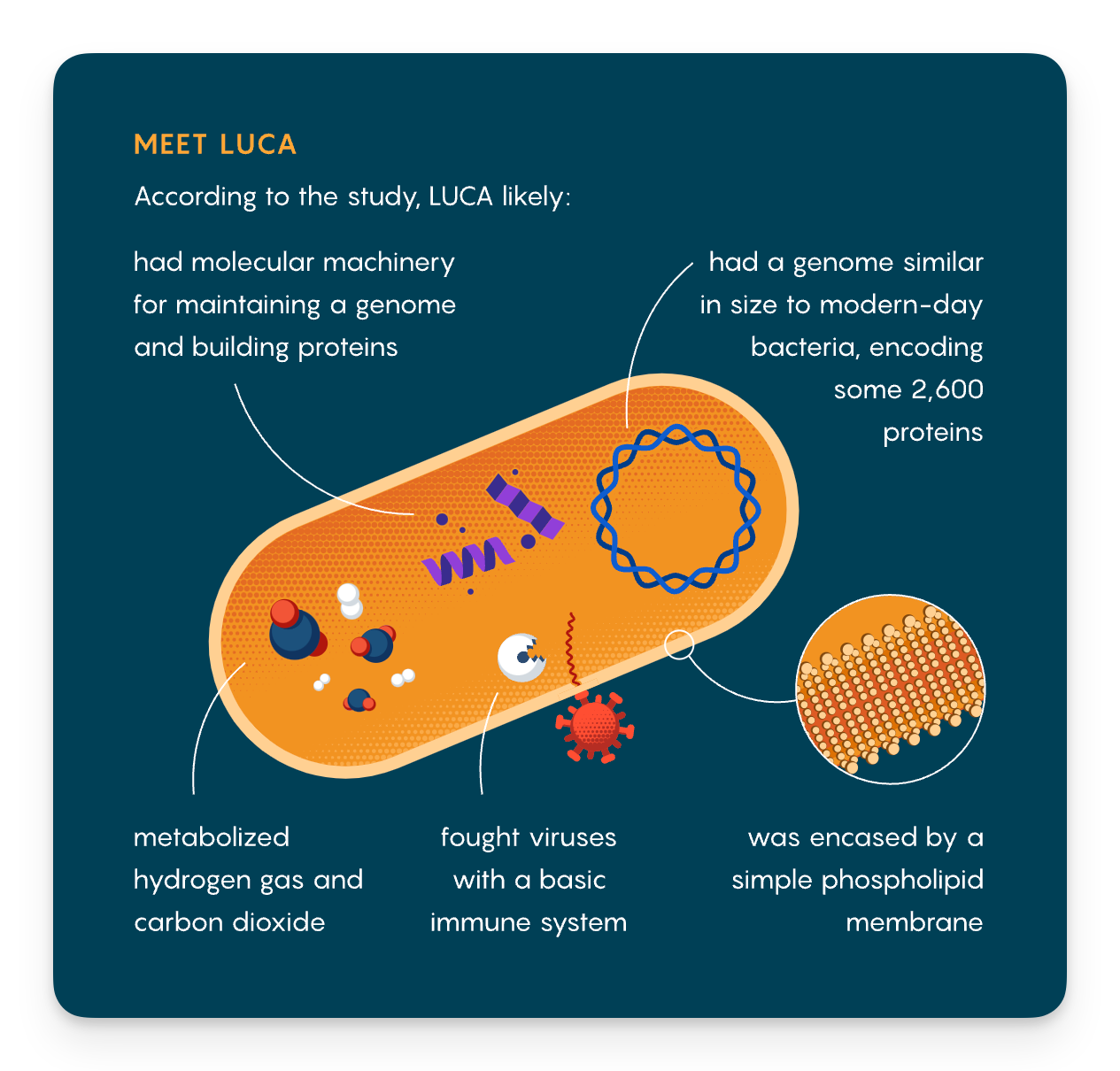
LUCA does not represent the origin of life, the instance whereby some chemical alchemy snapped molecules into a form that allowed self-replication and all the mechanisms of evolution. Rather, it’s the moment when life as we know it took off. LUCA is the furthest point in evolutionary history that we can glimpse by working backward from what’s alive today. It’s the most recent ancestor shared by all modern life‚ our collective lineage traced back to a single ancient cellular population or organism.
How Cereal Transformed American Culture
During the early 19th century, most Americans subsisted on a diet of pork, whiskey, and coffee. It was hell on the bowels, and to many Christian fundamentalists, hell on the soul, too. They believed that constipation was God's punishment for eating meat. The diet was also blamed for fueling lust and laziness. To rid America of these vices, religious zealots spearheaded the country's first vegetarian movement. In 1863, one member of this group, Dr. James Jackson, invented Granula, America's first ready-to-eat, grain-based breakfast product. Better known as cereal, Jackson's rock-hard breakfast bricks offered consumers a sin-free meat alternative that aimed to clear both conscience and bowels.
The Problem With AI Is About Power, Not Technology
Employers have deployed the use of algorithms to exert immense control over the labor process, using digital platforms to break up jobs and surveil how quickly workers complete those tasks, as with Amazon’s use of algorithms to push warehouse workers, or hail-riding apps speeding up drivers. Digital platforms have allowed employers to extend factory logic practically anywhere. Here, we can see the most “revolutionary” aspect of the technological changes referred to as AI: the mass diffusion of worker surveillance.
Is the ‘World’s Factory’ Losing Its Edge?
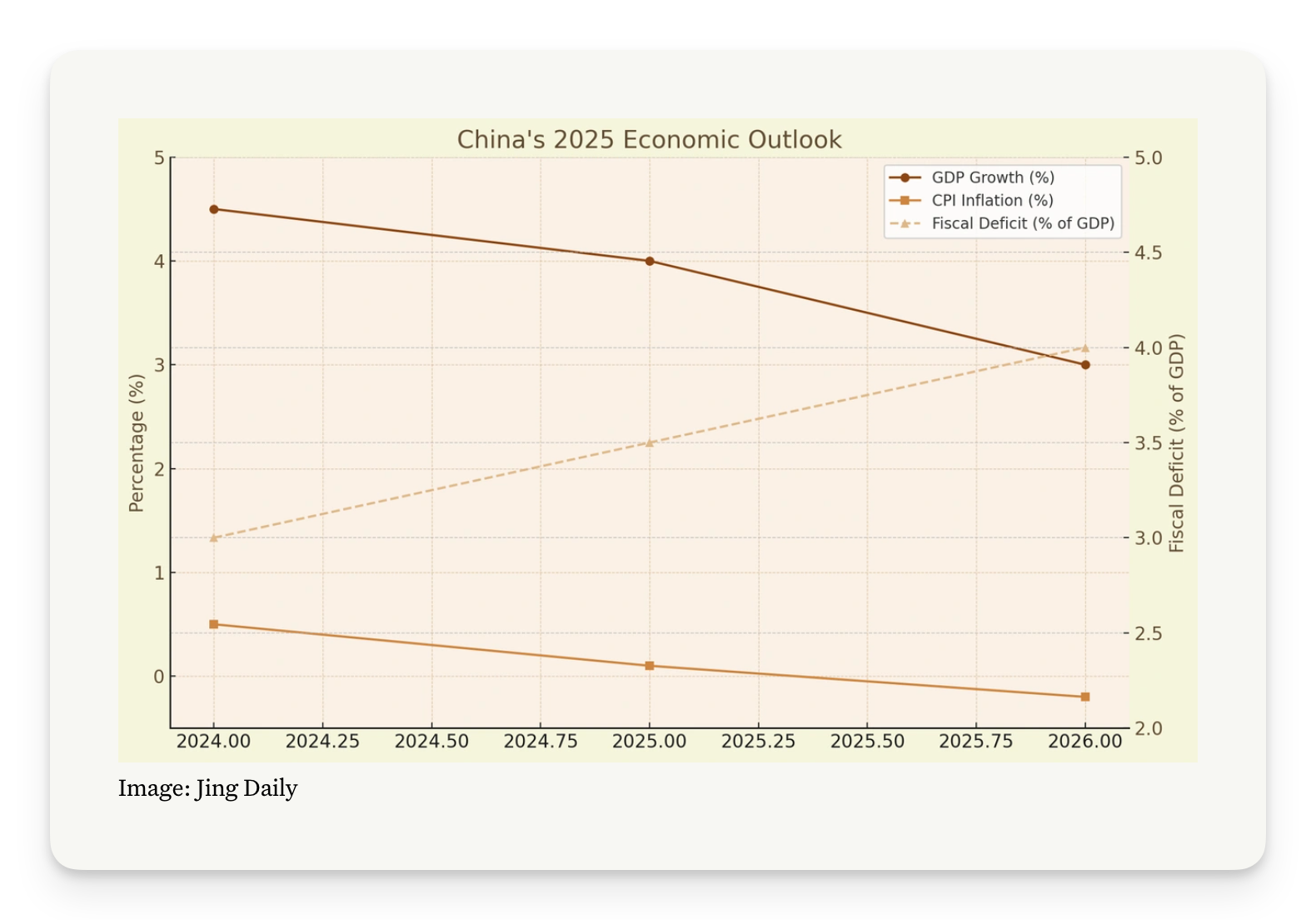
A CPI forecast of -0.2% in 2026 suggests a prolonged period of economic stagnation, driven by falling consumer demand and lower export prices. Deflation risks are particularly concerning as they increase the real value of debt burdens, which could exacerbate financial pressures on local governments and the broader economy. While the anticipated fiscal and monetary policy interventions may provide some relief, the effectiveness of these measures will depend on their ability to stimulate confidence and consumption in a challenging global environment.