Brain Implants, Bird Cigarettes, and Meme Buildings

Quotes from recent reads: three for everyone and another three for paid AG supporters.
Meme Buildings
If buildings are meant to be for everybody, then everybody is surely entitled to have an opinion on them and any aspect of them – goes one line of reasoning. However, trying to identify buildings that have a degree of public recognition independent of their degree of architectural recognition is like trying to detect neutrinos in that all influencing factors first have to be negated and that’s next to impossible. Given my history, I’m an imperfect documenter, or even identifier of buildings that endear themselves to a general public and not necessarily to architects. Nevertheless, I’ll call them meme buildings because it best describes the ripples these buildings cause.

Why Some Birds Seem to Be Developing a Cigarette Habit
A new study adds evidence for why urban birds have picked up this preference, at least in one species: The toxins in tobacco may keep parasites at bay in the nests of blue tits, colorful birds that are found across Europe.
Cigarette butts contain about 4,000 chemical compounds, including nicotine, arsenic, polycyclic aromatic hydrocarbons and heavy metals. These compounds could ward off pests that harm birds and their offspring. The study was published this year in the journal Animal Behaviour.
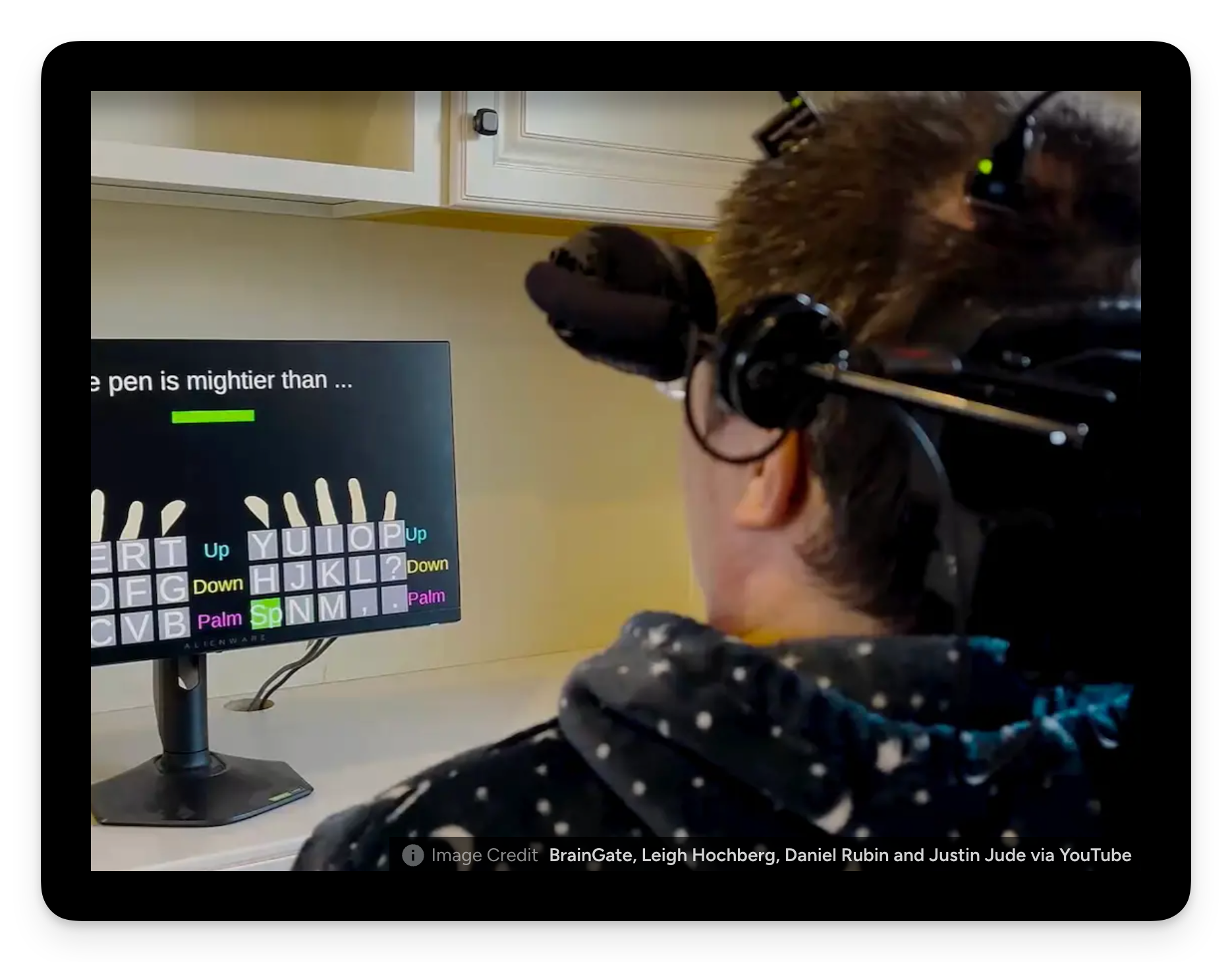
Brain Implants Let Paralyzed People Type Nearly as Fast as Smartphone Users
It’s hard to picture a keyboard layout other than the one we know best. From laptops to smartphones, it’s an integral part of our digital lives.
Scientists at Massachusetts General Hospital have now restored the ability to communicate by keyboard to two people with paralysis—using their thoughts alone.
Both people already had brain implants that could record their minds’ electrical chatter. The new system translated brain signals in real time as each person imagined finger movements. The system then accurately predicted the character they were trying to type.
The system learned to translate brain activity to physical intent after just 30 sentences. Typing speeds reached 22 words per minute with few errors, nearly matching speeds of able-bodied smartphone users.